The Palmer Professional: Quiet Study Havens for Chiropractic Students
Palmer College of Chiropractic’s Florida campus, located in Port Orange, represents a significant investment in your academic and professional future. As you embark on this demanding educational journey, a critical component of your success will be securing appropriate housing. This guide aims to provide a comprehensive, fact-based overview of the apartment landscape surrounding Palmer College Florida, empowering you to make informed decisions about your living situation. Consider this your compass in the competitive rental market, helping you navigate the various options and secure a living space that supports your academic endeavors.
Understanding the Local Landscape: Port Orange and Beyond
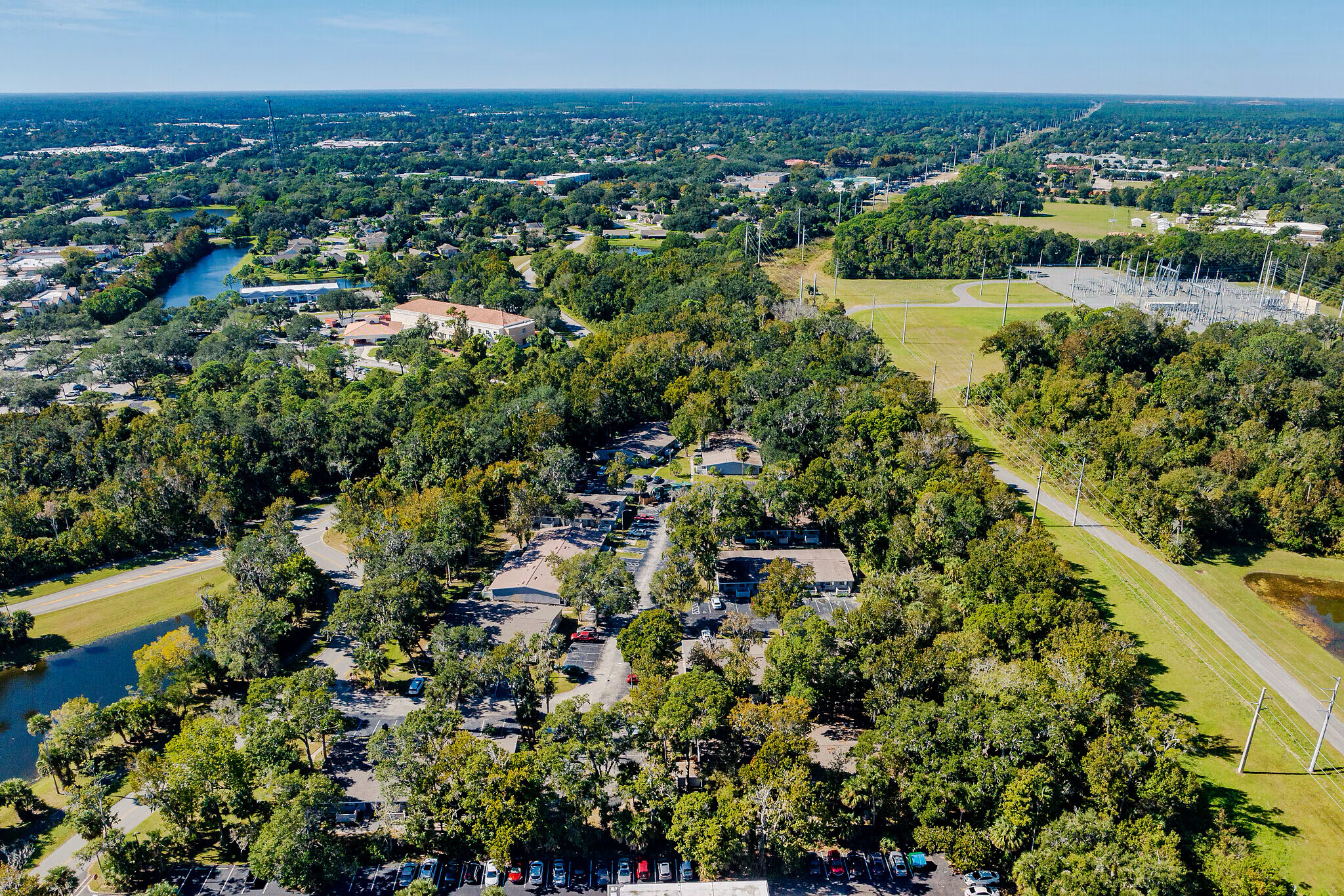
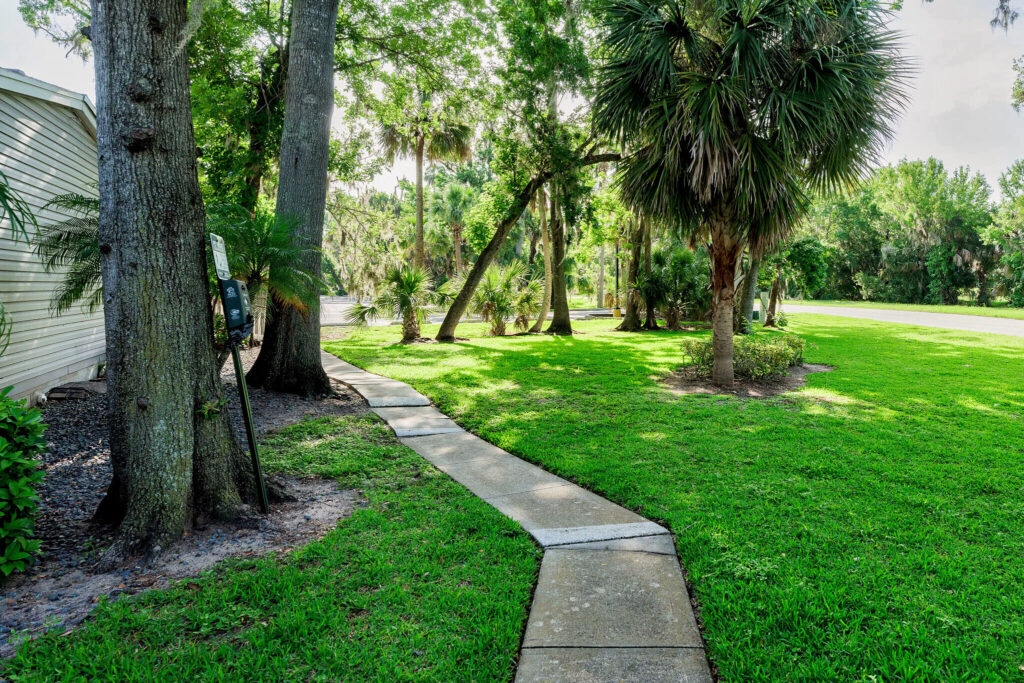
Port Orange, Florida, serves as the immediate environment for Palmer College Florida. It is a city characterized by its suburban feel, offering a blend of residential areas, commercial strips, and access to the Atlantic coast. The city’s proximity to Daytona Beach further expands the available amenities and entertainment options, but also influences rental prices and availability. Think of Port Orange as the stage upon which your academic drama will unfold; understanding its nuances is key to finding the right settings for your off-campus life.
Demographic Overview
Port Orange boasts a diverse demographic profile, though it leans towards a more established, family-oriented population compared to more transient student towns. The presence of Palmer College contributes a younger, student-centric demographic, particularly in areas immediately adjacent to the campus. This demographic mix influences the types of rental properties available, with a strong emphasis on multi-family dwellings and detached homes rather than purpose-built student housing estates. The rental market here is a tapestry woven with various threads, and understanding the dominant colors can help you anticipate the patterns.
Proximity to Campus and Commuting Considerations
The geographical relationship between your potential apartment andPalmer College is a paramount consideration. On-campus parking, while available, can be competitive, and the time commitment of a daily commute can quickly erode valuable study hours. Evaluate distances not just in miles, but in minutes, factoring in potential traffic congestion, especially during peak academic hours. Think of your commute as a daily tax on your time and energy; minimizing this tax can significantly enhance your academic yield. Proximity to the campus also often correlates with access to student-centric amenities, such as study cafes or shared transportation hubs.
Public Transportation Accessibility
While many areas in Port Orange are car-dependent, Volusia County Public Transit (Votran) offers bus services that may serve certain apartment complexes. Researching bus routes and schedules in relation to prospective addresses is crucial if you plan to rely on public transportation. Consider the bus network as a circulatory system; knowing its脈絡 (pulses/paths) can determine your connectedness to the wider city. The availability of consistent and reliable public transport can be a significant cost-saving factor, negating the need for personal vehicle ownership or minimizing its usage.
Exploring Apartment Types and Configurations
The rental market around Palmer College Florida offers a spectrum of housing options, each with its own characteristics and implications for your student lifestyle. From independent living to shared communal spaces, understanding these configurations is vital for aligning your housing with your personal preferences and budget. Each apartment type is a unique vessel, and your goal is to find one that best ferries you through your academic journey.
Studio and One-Bedroom Apartments
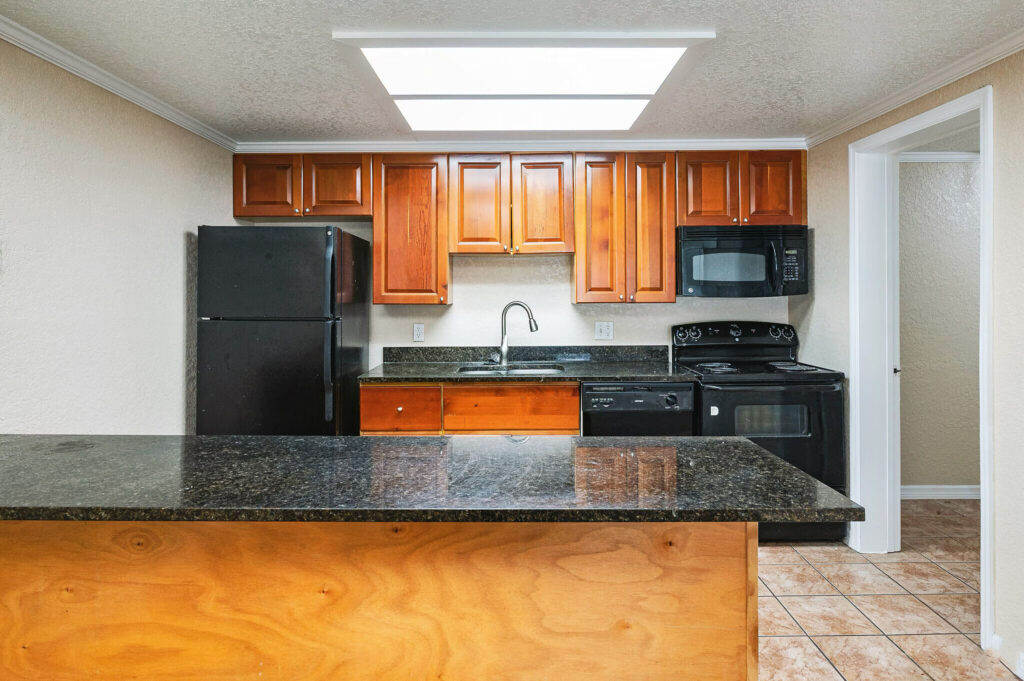
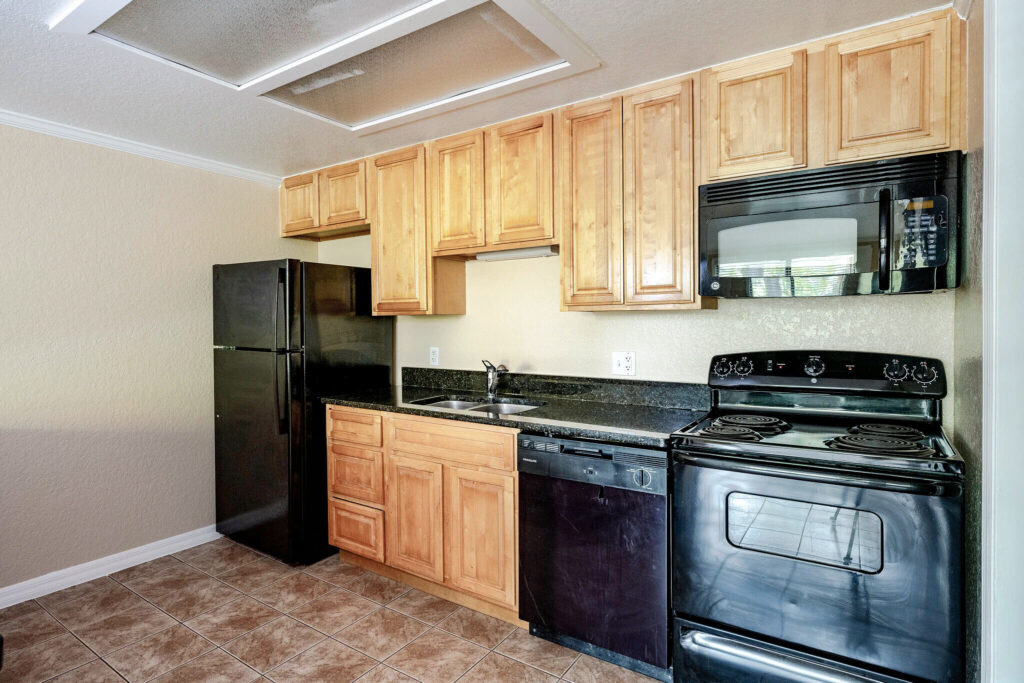
For those prioritizing privacy and independent living, studio and one-bedroom apartments represent a viable option. These units typically range from 400 to 700 square feet and offer a self-contained living space. While often more expensive per square foot than larger units, they provide an undisturbed environment conducive to focused study. Consider a studio or one-bedroom as your personal academic monastery, a space where distractions are minimized and concentration is maximized. The trade-off for this solitude is often a higher financial outlay compared to shared living arrangements.
Multi-Bedroom Apartments (Two, Three, and Four Bedrooms)
Shared living in multi-bedroom apartments is a prevalent and often more economical choice for students. These units typically feature communal living areas, kitchens, and bathrooms, with individual bedrooms for each tenant. The cost-sharing aspect can significantly reduce individual rent expenses. When considering multi-bedroom options, it’s essential to evaluate the lease structure (individual leases vs. joint leases), roommate matching services if applicable, and the overall living environment. This can be a vibrant community or a potential source of friction, depending on the dynamics. Think of shared living as a collaborative ecosystem; its success hinges on mutual respect and shared responsibilities.
Townhouses and Duplexes
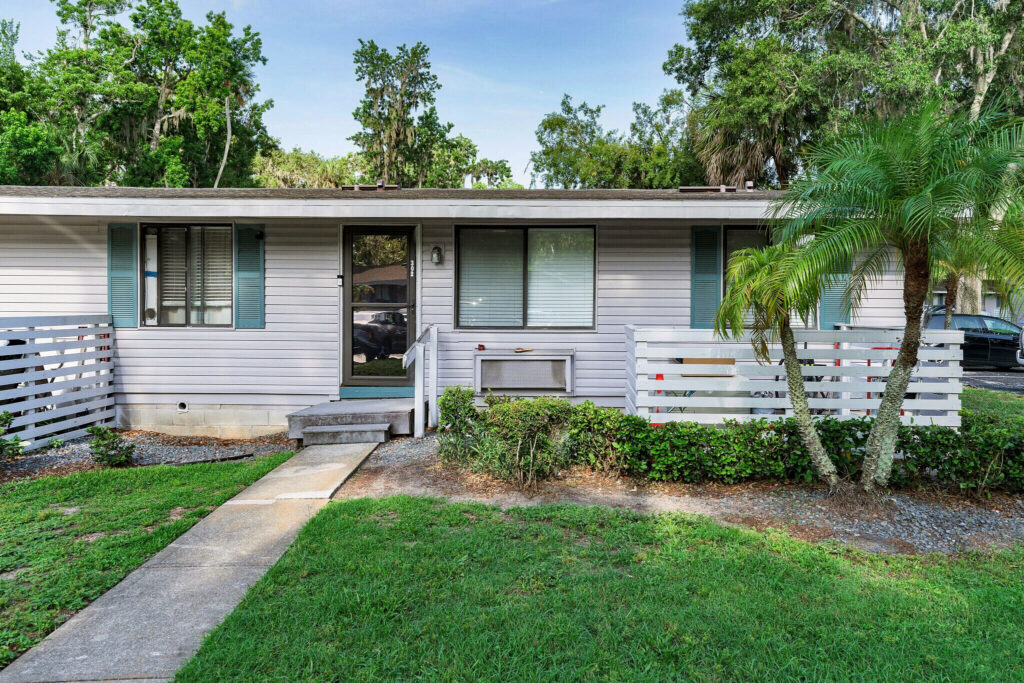
Occasionally, students may find townhouses or duplexes available for rent. These units often offer more space than traditional apartments, sometimes including small outdoor areas. They can be particularly attractive for groups of students seeking a more house-like feel or those with pets. While offering more square footage and a sense of detached living, these properties may come with higher utility costs or more extensive maintenance responsibilities. Consider these as hybrid options, bridging the gap between apartment living and standalone homes, offering a unique blend of privacy and communal potential.
Furnished vs. Unfurnished Options
The availability of furnished apartments near Palmer College can significantly impact your moving logistics and initial setup costs. Furnished units typically include essential furniture such as beds, desks, sofas, and basic kitchen appliances. While convenient, this often comes at a premium in rental price. Unfurnished apartments provide a blank canvas, allowing you to personalize your space but requiring an investment in furniture and household items. Weigh the upfront cost of furniture against the convenience and higher monthly rent of a furnished unit. This choice is often a balance between immediate ease and long-term personalization.
Navigating the Rental Market: Practical Considerations
The process of securing an apartment can be complex, involving not just financial commitments but also legal agreements. Approach the rental market strategically, considering various factors beyond just the monthly rent figure. This section aims to equip you with the practical knowledge needed to successfully navigate this terrain. Think of the rental market as a labyrinth, and these considerations are your guiding threads.
Budgeting and Financial Planning
Your monthly rent will likely be your largest recurring expense. Beyond the stated rent, factor in additional costs such as utilities (electricity, water, internet), renter’s insurance, and potential parking fees. Landlords typically require a security deposit, often equivalent to one or two months’ rent, as well as an application fee. Create a detailed budget spreadsheet, accounting for all potential outlays. This financial roadmap is your anchor in the sea of expenses; without it, you risk drifting off course. Student financial aid often includes provisions for housing, so understanding your eligible allocations is paramount.
Lease Agreements and Legal Protections
A lease agreement is a legally binding contract between you and your landlord. Thoroughly review all clauses, including the lease term (e.g., 12 months), renewal terms, pet policies, maintenance responsibilities, and early termination clauses. Understand Florida’s landlord-tenant laws, which outline your rights and obligations as a tenant. Don’t hesitate to seek clarification on any ambiguous terms. This document is your shield and your sword in the landlord-tenant relationship; understand its power and limitations. Florida Statutes Chapter 83, Part II (Residential Tenancies) is your primary legal resource.
Application Process and Requirements
Expect to complete a rental application that will typically require personal information, employment or student status verification, and a credit check. Landlords often request proof of income or a co-signer, especially for students without established credit histories. Be prepared to provide references (e.g., previous landlords, academic advisors). A well-prepared application can significantly expedite the approval process. Consider your application as your resume for housing; present it professionally and comprehensively.
Roommate Matching Services and Strategies
If you opt for shared living, carefully consider your roommate selection. Some apartment complexes offer roommate matching services, while others require you to form your own group. Discuss expectations regarding cleanliness, study habits, shared expenses, and guest policies before signing a lease. Clear communication and compatible personalities are the bedrock of successful shared living. Think of your potential roommate as a co-pilot; mutual understanding and shared goals are critical for a smooth journey. Platforms like Facebook groups for Palmer students can also be valuable resources for finding potential roommates.
Key Amenities and Features to Look For
Beyond the basic walls and roof, the amenities offered by an apartment complex can significantly impact your quality of life as a student. Prioritize amenities that align with your academic needs, lifestyle preferences, and budget. Each amenity is a tool; understanding its utility helps you build a more effective living environment.
Proximity to Campus and Academic Resources
As previously emphasized, an apartment’s proximity to Palmer College is a recurring theme. Consider not just the physical distance but also the “cognitive distance” – the ease with which you can access the library, labs, study groups, and faculty offices. Minimizing travel time frees up precious hours for study and self-care. Think of your apartment’s location as a gravitational pull; the closer it is to campus, the less energy you expend to reach your academic orbit.
Study Spaces and Community Areas
Some apartment complexes offer dedicated study lounges, business centers, or quiet common areas. These can be invaluable alternatives to your apartment or the campus library, especially during peak study periods. The availability of such spaces contributes to a conducive learning environment beyond your private quarters. Consider these as extensions of your personal study space, offering a change of scenery and opportunities for collaborative learning.
Fitness Centers and Recreational Facilities
Maintaining physical well-being is crucial for academic success. Apartments with on-site fitness centers, swimming pools, or recreational courts can provide convenient outlets for stress relief and exercise. Weigh the cost of a gym membership against the convenience of an integrated facility. These amenities can be a vital component of a balanced student life, preventing burnout and promoting overall health.
Pet-Friendly Policies
If you plan to bring a pet, researching pet-friendly apartment complexes is essential. Be aware of breed restrictions, weight limits, and additional pet fees or deposits. Some landlords require a separate pet addendum to the lease. Clarifying these policies upfront will prevent future complications. For many, a pet is a cherished family member; finding a home that accommodates them is a non-negotiable criterion.
Safety and Security Features
Prioritize apartments with robust safety features, such as controlled access gates, well-lit parking lots, security cameras, and on-site management. Research local crime statistics and observe the neighborhood during different times of the day. Your personal safety is a foundational requirement for a peaceful academic experience. Think of security measures as a protective shell, allowing you to focus on your studies without undue external anxieties.
The Search Process: Strategies for Success
Finding the ideal apartment near Palmer College Florida requires a systematic and proactive approach. The rental market can be competitive, so being well-prepared and diligent in your search will increase your chances of securing a suitable living space. Consider this section your tactical playbook for apartment hunting.
Online Listing Platforms
Utilize popular online rental platforms such as Apartments.com, Zillow, Rent.com, and local real estate websites. Filter your searches by location (Port Orange, Daytona Beach, New Smyrna Beach), price range, number of bedrooms, and desired amenities. Set up alerts for new listings that match your criteria. These platforms are the digital marketplace; effective navigation is key to finding the best deals.
Local Real Estate Agents and Property Management Companies
Engaging with local real estate agents or property management companies specializing in rentals can provide access to listings not always advertised publicly. They possess intimate knowledge of the local market and can often streamline the application process. These professionals act as your local guides, offering expertise and access to hidden pathways.
Campus Resources and Student Networks
Palmer College itself may offer resources or bulletin boards for off-campus housing. Connect with current students through social media groups or campus organizations for first-hand insights and potential roommate connections. Student networks are invaluable wells of shared experience and often unlock opportunities not found elsewhere.
Visiting Properties and Asking Critical Questions
Whenever possible, conduct in-person tours of prospective apartments. Pay attention to the condition of the unit, common areas, and the surrounding neighborhood. Take photos or videos for future reference. Prepare a list of questions for the landlord or property manager regarding utilities, maintenance procedures, lease terms, and emergency contacts. Your physical inspection is your final quality control; leave no stone unturned.
In conclusion, securing an apartment near Palmer College Florida is a significant step in your chiropractic education journey. By adopting a factual, thorough, and strategic approach, you can navigate the rental market effectively, finding a living environment that not only meets your practical needs but also serves as a supportive foundation for your academic and personal growth. Your apartment is more than just a place to sleep; it is a critical component of your student ecosystem, intricately linked to your overall success. Choose wisely, and may your academic path be clear and unhindered.
FAQs
1. Where is Palmer College located in Florida?
Palmer College of Chiropractic has a campus located in Port Orange, Florida. It is one of the main campuses of the college, offering chiropractic education and training.
2. Are there apartments available near Palmer College Florida?
Yes, there are several apartment complexes and rental options available near Palmer College in Port Orange, Florida. These apartments cater to students, faculty, and residents looking for convenient housing close to the campus.
3. What types of apartments are commonly found near Palmer College Florida?
Apartments near Palmer College Florida typically include one-bedroom, two-bedroom, and sometimes studio units. Many complexes offer amenities such as parking, laundry facilities, and sometimes fitness centers or pools.
4. How can students find apartments near Palmer College Florida?
Students can find apartments near Palmer College Florida by searching online rental platforms, contacting local real estate agents, checking community bulletin boards, or visiting the college’s student housing office for recommendations.
5. Is public transportation available near Palmer College Florida for apartment residents?
Yes, public transportation options are available in Port Orange, Florida, including bus services that connect to various parts of the city and surrounding areas, making it easier for apartment residents to commute to Palmer College and other locations.