River Life & Coastal Calm: Exploring the Best of Port Orange’s Waterways
The Halifax River, a key waterway in Volusia County, Florida, presents a distinct residential appeal, particularly for those seeking properties with direct or near-direct access to its waters. This article explores the various facets of “Desirable Halifax River Proximity Housing,” examining the practical considerations, benefits, and challenges associated with such properties. Understanding these factors is crucial for prospective homeowners navigating this specific segment of the real estate market.
The Halifax River is not a river in the conventional sense but rather a lagoonal estuary, part of the larger Indian River Lagoon system. This distinction is fundamental to understanding the environment surrounding Halifax River proximity housing. It functions as a tidal estuary, influenced by the Atlantic Ocean through inlets like Ponce de Leon Inlet. Its waters are brackish, a blend of freshwater runoff and saltwater, supporting a unique ecosystem.
Ecological Significance
The brackish environment provides habitats for a diverse array of flora and fauna. Manatees, dolphins, various fish species, and numerous wading birds are common inhabitants. This biodiversity contributes significantly to the aesthetic and recreational value of living near the river. However, this same ecological richness necessitates careful consideration of environmental regulations and responsible living practices for residents. Proximity to this ecosystem implies a certain responsibility to its well-being, often codified in local ordinances regarding development, water usage, and pollution control.
Geographical Features Affecting Housing
The Halifax River’s serpentine course, punctuated by numerous coves, islands, and narrow passages, creates varied shoreline characteristics. These variations directly impact the type and availability of properties. Some areas offer wide, expansive views, while others provide more sheltered, intimate waterfronts. The river’s average depth varies, with dredged channels for navigation and shallower areas vital for ecological health. This depth variation influences boating access and the feasibility of docks and piers. Furthermore, bridges crossing the Halifax River (e.g., Seabreeze Bridge, Main Street Bridge) can impact commuter times and provide visual landmarks for certain properties.
Defining “Proximity Housing”
The term “Halifax River Proximity Housing” encompasses a spectrum of properties, each offering a different degree of relationship to the waterway. It’s not a monolithic category, but rather a gradient of access and vista.
Direct Waterfront Properties
These represent the most immediate connection to the Halifax River. They feature their own private frontage, often including docks, boathouses, or direct access to a riparian margin. The value proposition here is self-evident: direct access to the water for recreational activities, uninterrupted views, and often, a greater sense of privacy. However, direct waterfront also carries increased responsibilities, such as seawall maintenance, environmental compliance for a riparian owner, and a higher exposure to flood risk. The “first row” of properties along the river often commands a premium due to this direct access.
Water View Properties
These homes do not have direct frontage but offer unobstructed or partially obstructed views of the Halifax River. Their value is derived from the visual amenity, allowing residents to experience the aesthetic benefits of the river without the full responsibilities of direct ownership. These properties often sit on elevated lots or are strategically positioned to maximize sightlines. While they lack private docks, community access points or nearby marinas can often bridge this gap for boating enthusiasts.
River-Adjacent Properties
This category includes homes within a short walking or driving distance of the Halifax River, often separated by a single road or a small parcel of land. While lacking a direct view or private access, their proximity still offers convenience for recreational activities such as kayaking, fishing from public piers, or enjoying waterfront parks. The trade-off is often a lower price point compared to direct waterfront or water view properties, making them an accessible entry point for those desiring a river-centric lifestyle without the associated premium.
Benefits of Halifax River Proximity Housing
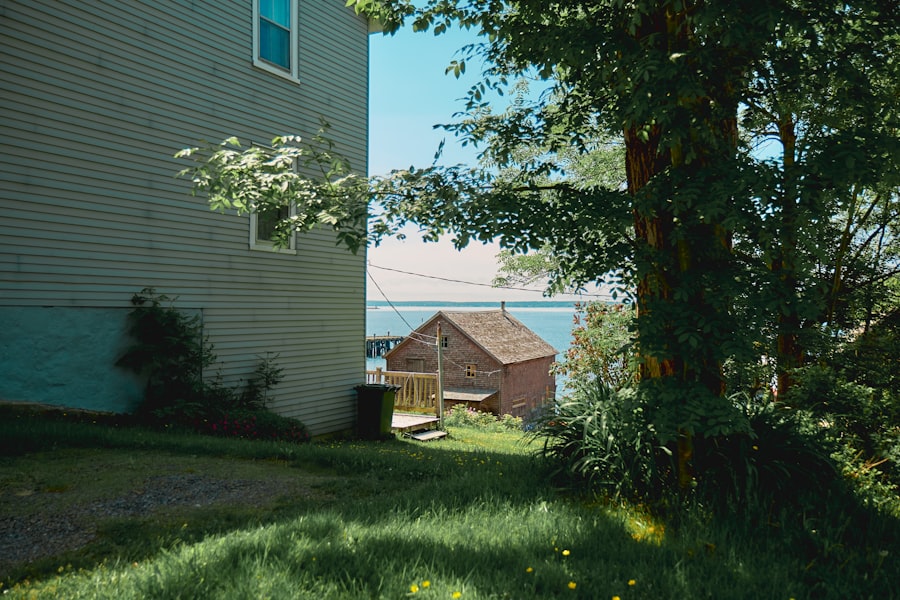
Beyond mere aesthetics, living near the Halifax River offers a tangible array of benefits that contribute to both quality of life and potential property value. These advantages function as a powerful draw for a specific demographic of homebuyers.
Recreational Opportunities
The Halifax River serves as a vast natural playground. Boating, from powerboats to sailboats and kayaks, is a primary draw. Fishing, crabbing, and paddleboarding are also popular activities. Proximity minimizes travel time and maximizes spontaneous engagement with these pursuits. For the avid boater, having a dock directly behind the home transforms routines, offering immediate embarkation. For others, swift access to public launches or nearby marinas is sufficient. This immediate access to varied aquatic recreation forms a cornerstone of the lifestyle associated with these properties.
Aesthetic Value and Quality of Life
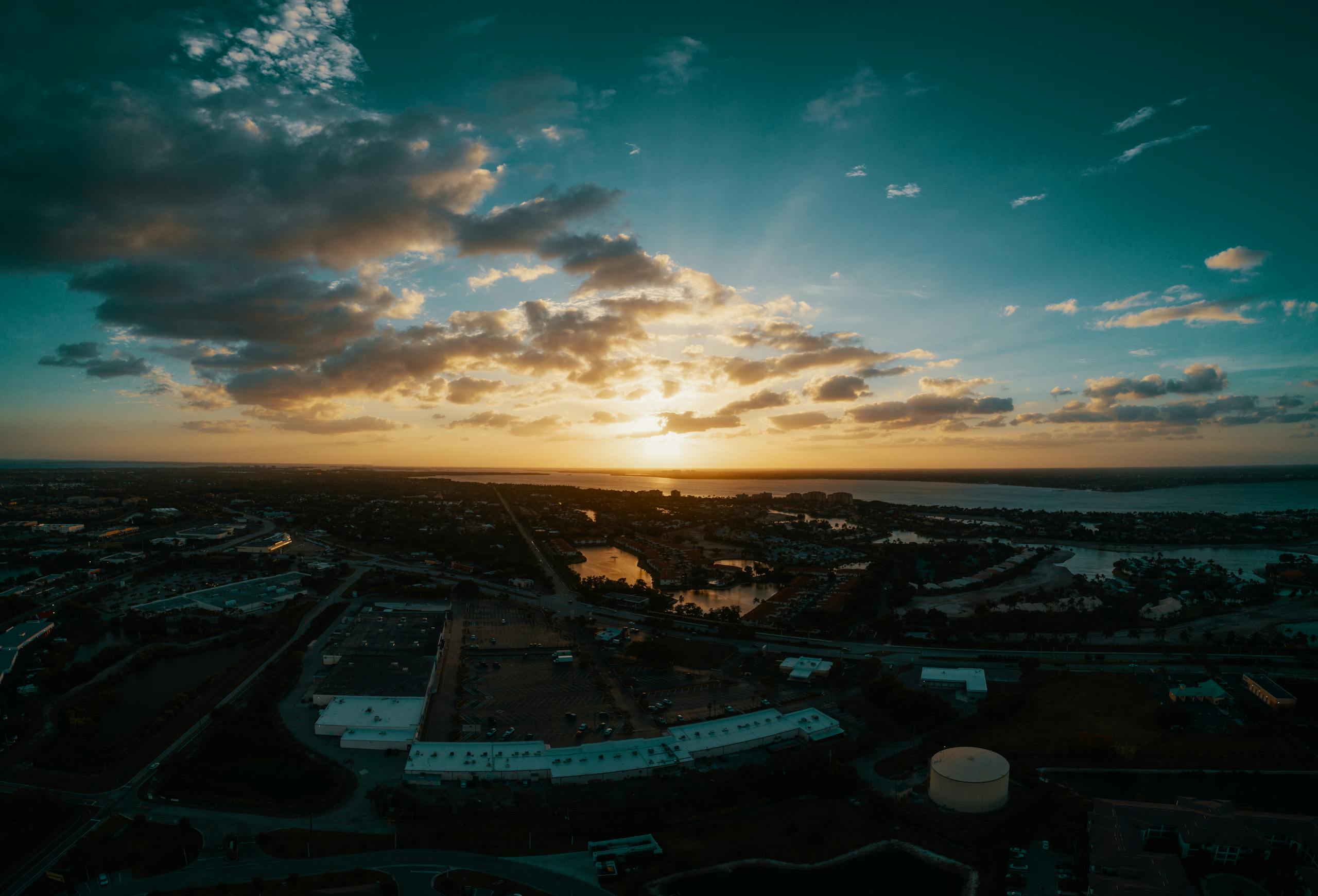
The ever-changing tableau of the river – sunrises over the water, the gentle ebb and flow of tides, the sight of dolphins breaching – provides a constant source of visual appeal. This natural beauty can contribute to a sense of tranquility and well-being. Properties often benefit from prevailing breezes off the water, offering a natural cooling effect in warmer months. The presence of wildlife further enhances the natural ambiance, creating a more engaging and dynamic environment than inland properties might offer. This aesthetic contribution is not merely superficial; it actively shapes the daily experience of living in such a location.
Potential for Property Value Appreciation
Waterfront properties, particularly those in desirable locations, often exhibit a strong tendency for value appreciation. The scarcity of direct waterfront land, coupled with ongoing demand, acts as a fundamental driver. While market fluctuations affect all real estate, properties with unique attributes like direct river access often demonstrate resilience and can outperform general market trends over the long term. This potential for investment appreciation is a significant consideration for many buyers, viewing their home not just as a residence, but as an asset with inherent growth potential.
Challenges and Considerations
While the allure of Halifax River proximity housing is undeniable, a balanced perspective requires acknowledgment of the potential challenges and critical considerations that accompany such properties. Ignoring these aspects can lead to unforeseen expenses or disappointments.
Environmental Factors and Risks
Living beside a dynamic estuary inherently involves environmental considerations. Flood risk is paramount in a coastal region. Properties are often in flood zones, necessitating flood insurance and potentially requiring construction methods designed to mitigate flood damage (e.g., elevated foundations). Storm surges from hurricanes pose a significant threat, capable of causing extensive damage. Erosion of the shoreline is another concern, potentially requiring costly mitigation efforts such as seawall construction or repair. Furthermore, residents must be aware of and comply with regulations concerning septic systems (where applicable), stormwater runoff, and fertilizer use, all of which can impact the health of the delicate estuarine ecosystem.
Maintenance and Insurance Costs
The unique characteristics of riverfront living often translate to higher maintenance and insurance costs. Structures exposed to saltwater air, such as seawalls, docks, and even the exterior of homes, require more frequent inspection and maintenance to combat corrosion and wear. Marine structures like docks and boat lifts require specialized care. Flood insurance, as previously mentioned, is often mandatory and can be substantial. Homeowners insurance may also be higher due to increased perceived risk from wind and water damage. These increased ongoing costs must be factored into the overall financial viability of owning such a property. It’s a financial current that runs persistently beneath the surface of the idyllic view.
Regulatory Compliance and Development Restrictions
Development along the Halifax River is subject to a complex web of local, state, and federal regulations. These can include restrictions on building setbacks, dock size and configuration, environmental impact assessments, and limitations on impervious surfaces. Permitting processes for construction or modification, especially for marine structures, can be lengthy and involve multiple agencies. Understanding these constraints before purchase is vital, as they can significantly impact potential renovation plans or the realization of specific amenities, such as a desired dock length or boathouse. The regulatory landscape forms an invisible tapestry, dictating what can and cannot be done with significant waterfront properties.
Types of Housing and Market Overview
The housing stock surrounding the Halifax River is diverse, reflecting various architectural styles, price points, and property types. This heterogeneity offers options for a wide range of budgets and preferences.
Single-Family Homes
Single-family homes comprise a significant portion of Halifax River proximity housing. These range from historic residences, some dating back to the early 20th century, to modern custom-built estates. Their appeal lies in their private nature, often larger lot sizes, and the potential for extensive landscaping and personalized amenities. The architectural styles can vary greatly, from classic Florida cracker homes to Mediterranean revival, contemporary designs, and traditional suburban layouts. The value of these homes is often directly correlated with their frontage, views, and condition of marine structures.
Condominiums and Townhouses
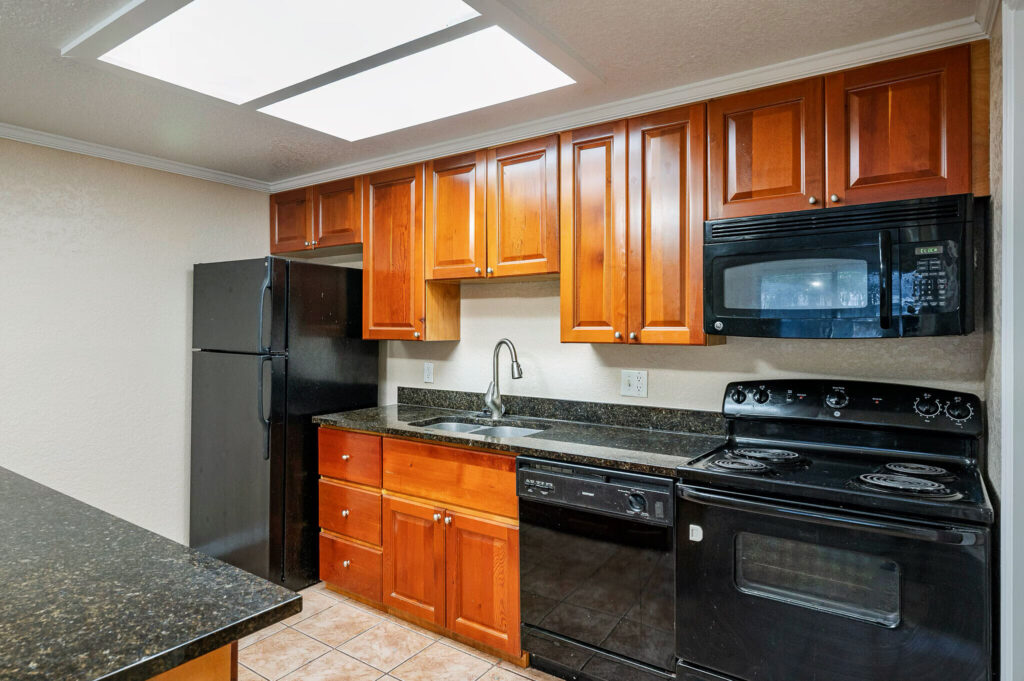
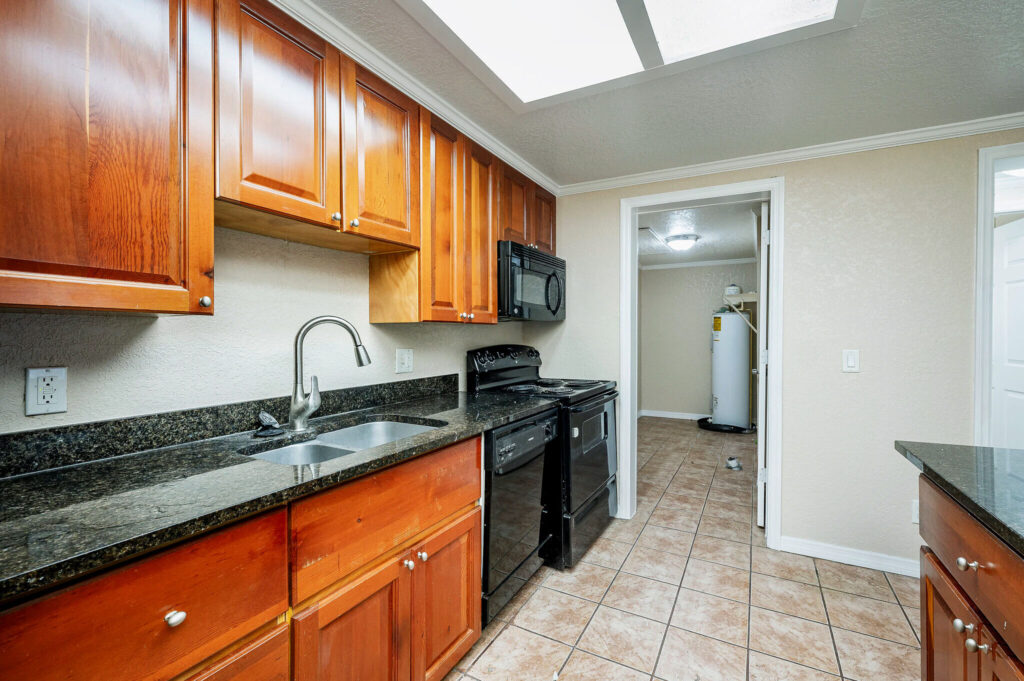
For those seeking a lower-maintenance lifestyle, condominiums and townhouses with river proximity offer an attractive alternative. These often feature shared amenities such as community docks, pools, and fitness centers, with the exterior maintenance handled by an association. Condominiums frequently provide elevated views of the river, especially in multi-story buildings. Townhouses, while often having less expansive views, can still offer walking access or limited private access in some developments. Density of these properties typically increases closer to commercial hubs like Daytona Beach and Ormond Beach. These properties are often “lock and leave” options, appealing to snowbirds or those with busy travel schedules.
Market Dynamics and Pricing Factors
The market for Halifax River proximity housing is influenced by several factors. Demand for waterfront property in Florida generally remains strong. Pricing is significantly affected by the degree of river frontage, the quality and condition of existing marine structures (docks, seawalls), the breadth of the river view, and the overall condition and modernity of the dwelling itself. Location along the river also plays a role; properties in more affluent communities or those closer to specific amenities often command higher prices. Scarcity of developable waterfront land ensures that demand often outstrips supply, contributing to potentially robust pricing. However, broader economic conditions and interest rates can still exert an influence, acting as a tide that lifts or lowers all boats in the market.
Future Outlook and Sustainability
The future of Halifax River proximity housing is inextricably linked to the health of the river itself and the ongoing development pressures in Volusia County. A sustainable approach is crucial for preserving the value and desirability of these properties.
Environmental Stewardship
The long-term viability and attractiveness of living near the Halifax River depend significantly on the health of its ecosystem. Ongoing efforts to combat pollution, restore oyster beds, and manage stormwater runoff are vital. Responsible homeowner practices, such as proper waste disposal, minimizing fertilizer use, and adhering to boating regulations, contribute collectively to a healthier river. Increased awareness and participation in conservation initiatives can only enhance the value and enjoyment of these properties for generations to come. The river functions as the veins and arteries of the entire ecosystem; its health is paramount to all who reside within its embrace.
Infrastructure Development and Climate Change Adaptations
Investment in resilient infrastructure is a critical aspect of mitigating the risks associated with climate change, particularly rising sea levels and more intense storm events. This includes improvements to seawalls, drainage systems, and potentially the elevation of new construction. Local governments are increasingly implementing regulations that factor in future climate projections, which will impact development and construction costs. Adapting to these changes will be a continuous process, shaping the way properties are built, maintained, and valued in the future. The river offers both beauty and a gentle reminder of the powerful forces of nature, which must be respected and prepared for.
Economic and Demographic Trends
The continued appeal of Florida as a retirement destination and a growing economic hub will likely sustain demand for desirable housing, including river proximity properties. Demographic shifts, including an aging population seeking low-maintenance living and younger families drawn to recreational opportunities, will continue to influence market trends. The balance between maintaining natural beauty and accommodating growth will be a perpetual challenge and opportunity for the region. Understanding these converging trends provides a more complete picture of the landscape for potential homeowners considering a move to the Halifax River.
FAQs
What is Halifax River Proximity Housing?
Halifax River Proximity Housing refers to residential properties located near the Halifax River in Florida. These homes offer convenient access to waterfront views, recreational activities, and nearby amenities.
What types of housing are available near the Halifax River?
The area around the Halifax River features a variety of housing options, including single-family homes, condominiums, townhouses, and apartments. Many properties offer waterfront access or views of the river.
What are the benefits of living close to the Halifax River?
Living near the Halifax River provides residents with scenic views, opportunities for boating and fishing, access to parks and trails, and proximity to local shops, restaurants, and cultural attractions.
Are there any flood risks associated with Halifax River Proximity Housing?
Properties near the Halifax River may be subject to flood risks, especially during heavy rains or hurricanes. It is important for potential buyers or renters to check flood zone maps and consider flood insurance.
How can I find available homes near the Halifax River?
To find available housing near the Halifax River, you can consult local real estate agents, browse online property listings, or visit community websites that specialize in the Halifax area.