Fly Home to Quiet: The Perfect Retreat for Embry-Riddle Aviation Students
You are embarking on a significant academic journey at Embry-Riddle Aeronautical University in Daytona Beach. As you prepare for this experience, one of the most critical considerations is your living situation. Proximity to the campus is not merely a matter of convenience; it can profoundly impact your academic focus, social integration, and overall well-being. This article will serve as a comprehensive guide to understanding the landscape of apartment living near Embry-Riddle Daytona, offering insights into various options, their characteristics, and crucial factors to consider in your search.
For many students, especially those new to the Daytona Beach area, the concept of a “convenient” apartment might seem self-evident: it’s close to campus. However, the benefits extend far beyond a shorter commute. Consider your academic schedule, often demanding and unpredictable. A short travel time to and from classes, labs, and the library can translate into invaluable extra minutes for studying, completing assignments, or even catching up on sleep. The campus itself is a hub of academic and social activity, from club meetings and study groups to athletic events and career fairs. Being close allows for spontaneous participation, fostering a greater sense of belonging and maximizing your engagement with the university community.
Furthermore, consider the practicalities of student life. Vehicle maintenance, parking challenges, and the rising cost of fuel are realities. Living within walking or biking distance, or on a direct public transportation route, can mitigate these stressors, offering a more sustainable and less financially burdensome lifestyle. This proximity transforms your living space from a mere dwelling into an integrated component of your academic ecosystem.
Maximizing Academic Performance through Reduced Commute
Think of your commute as a bandwidth drain. Every minute spent in transit is a minute not dedicated to academic pursuits or personal well-being. A 15-minute drive each way, twice a day, five days a week, equates to five hours lost in traffic. Over a semester, this accumulates into a substantial investment of time and energy that could be redirected. Less time spent commuting often translates to more time available for studying in the library, collaborating with classmates on projects, or attending review sessions a short walk from your door. This efficiency acts as a catalyst for academic excellence.
Enhancing Social Integration and Campus Engagement
University life is not solely about lectures and textbooks; it’s also about building connections and becoming part of a community. When your apartment acts as a distant outpost, connecting with campus life can become a deliberate, often inconvenient, effort. Living close to Embry-Riddle is like having a key to the perpetual flow of campus activity. Spontaneous invitations to study groups, last-minute club meetings, or casual social gatherings become easily accessible. This heightened integration can lead to a richer university experience, fostering friendships and networking opportunities that extend beyond your academic program.
Geographical Zones of Apartment Living
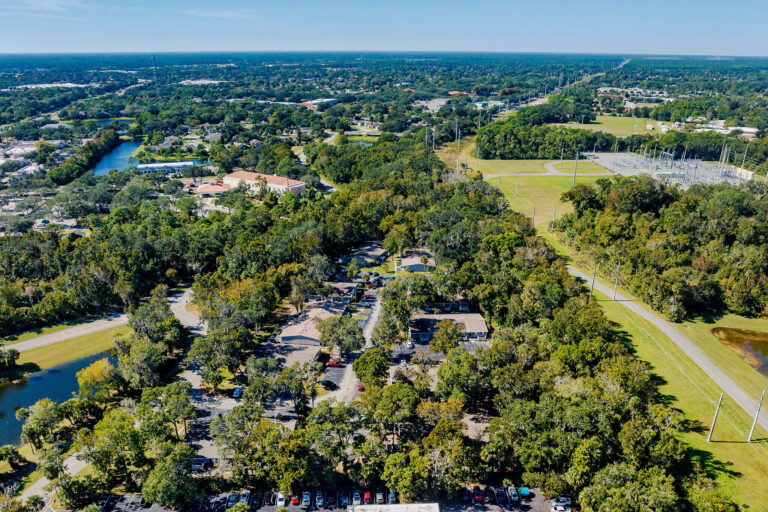
The area surrounding Embry-Riddle Daytona can be broadly categorized into several zones, each with distinct characteristics regarding proximity, amenities, and typical rental costs. Understanding these zones is crucial for narrowing down your search.
Immediate Campus Vicinity (Walkable/Bikeable)
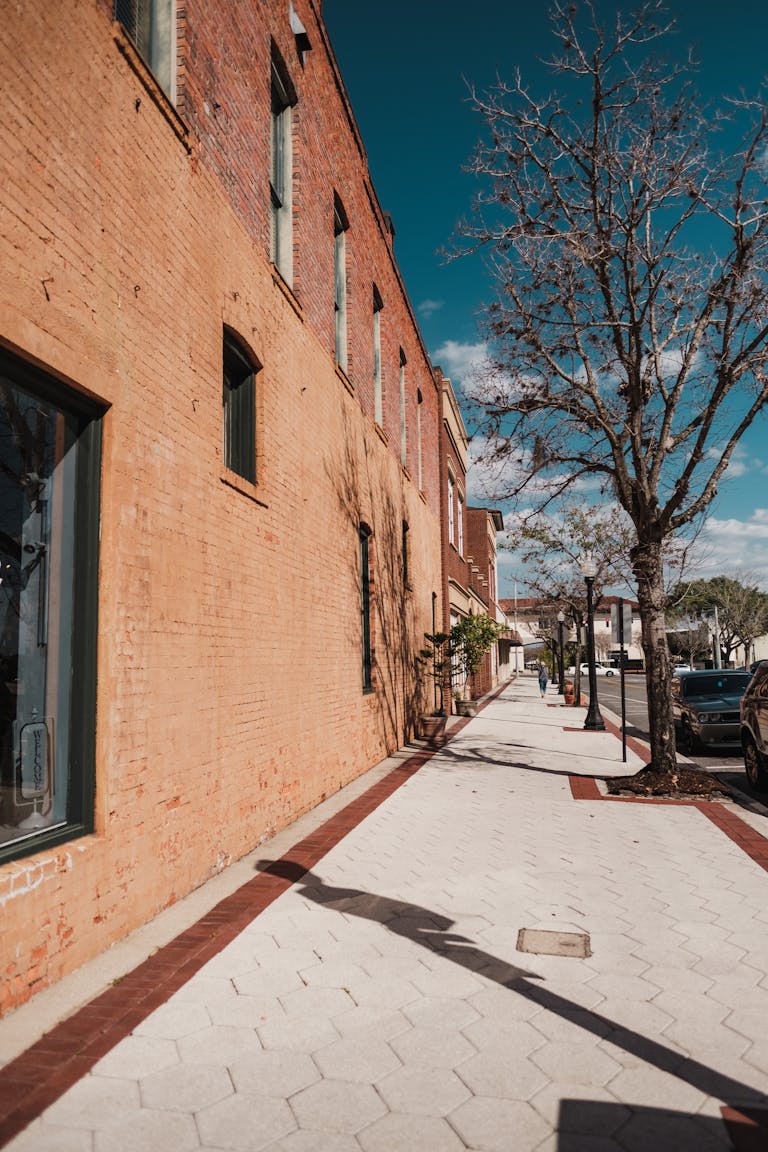
This zone represents the epicenter of convenience. Properties here are often within walking distance, typically less than a mile, or a very short bike ride from the main campus entrances. This area includes neighborhoods directly bordering the university to the north, west, and south. Expect to find a mix of older, single-family homes often converted into multi-unit rentals, as well as purpose-built student apartment complexes. The primary advantage here is unparalleled access to academic buildings, libraries, and campus facilities. However, this convenience often comes with a higher price tag and potentially older infrastructure.
Central Daytona Beach (Short Drive/Public Transport)
Moving slightly further out, typically within a 2-5 mile radius, you enter the central Daytona Beach area. This zone encompasses a broader array of housing options, from larger apartment complexes with a wider range of amenities (pools, fitness centers, clubhouses) to more suburban-style neighborhoods with freestanding houses. While not directly walkable, these areas are often well-served by local bus routes with direct connections to Embry-Riddle or offer a manageable drive. This zone often presents a good balance between cost and convenience, offering more modern facilities than some of the older, immediate campus options.
North of Campus: Primarily Residential
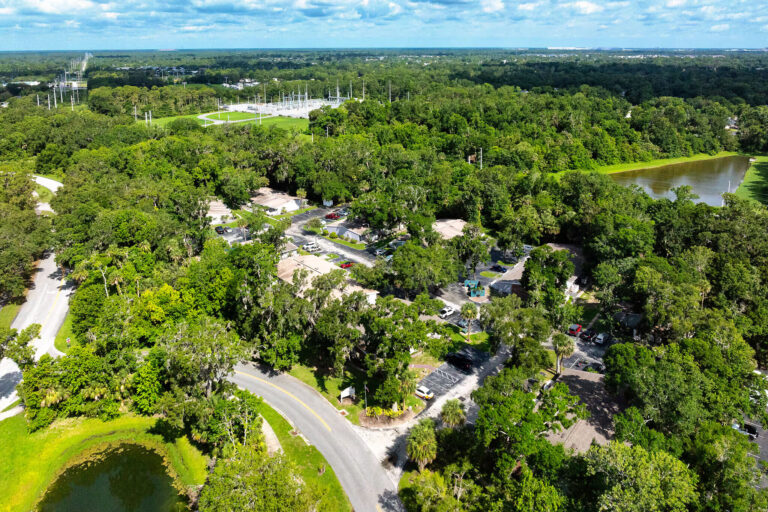
Areas immediately north of Embry-Riddle tend to be predominantly residential, featuring a mix of older single-family homes and smaller apartment buildings. This can be an attractive option for those seeking a quieter environment while still maintaining reasonable proximity. Access to major thoroughfares like International Speedway Boulevard remains good, facilitating commutes.
West of Campus: Developing Commercial and Residential Hubs
The areas directly west of Embry-Riddle, particularly along Nova Road and beyond, have seen significant commercial and residential development in recent years. This zone offers newer apartment complexes with contemporary amenities, often situated near shopping centers, grocery stores, and dining establishments. While slightly further afield, the modern infrastructure and diverse amenities can be appealing.
South of Campus: Proximity to Retail and Entertainment
South of the Embry-Riddle campus, you’ll find a blend of residential areas and commercial corridors. This zone offers good access to additional retail options, including larger shopping malls, and entertainment venues. Depending on your exact location, a short drive or bus ride will connect you to campus.
Speedway Boulevard Corridor (Major Artery Access)
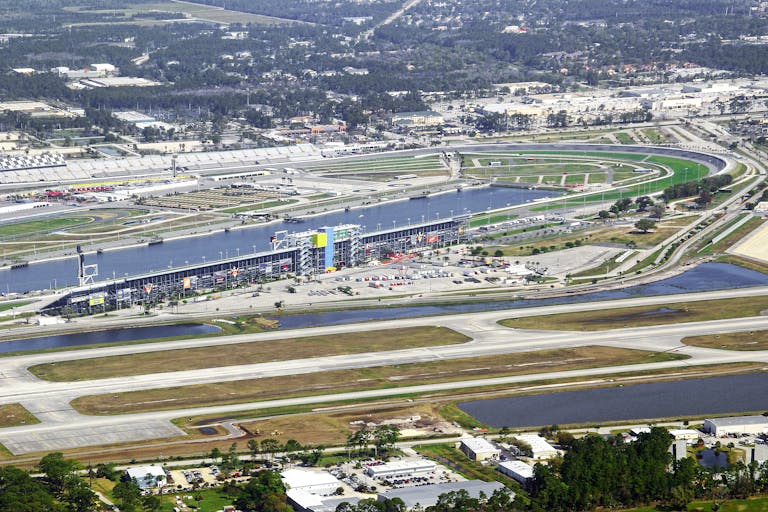
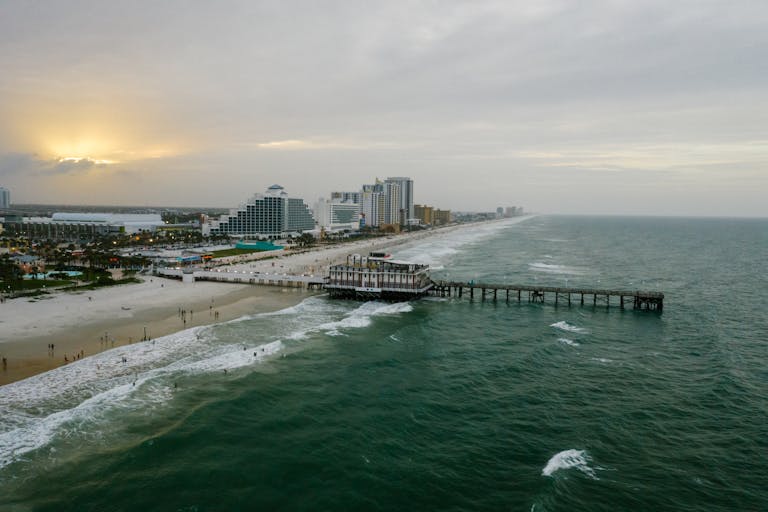
International Speedway Boulevard acts as a major east-west artery, connecting the university to a wider swathe of Daytona Beach, including the beachfront. Along this corridor and its immediate offshoots, you will find a concentration of apartment complexes, ranging from budget-friendly options to more upscale developments. While some properties might be further from campus, their location along a primary transportation route ensures relatively straightforward access. The proximity to commercial establishments is a significant draw here.
Types of Apartment Units Available
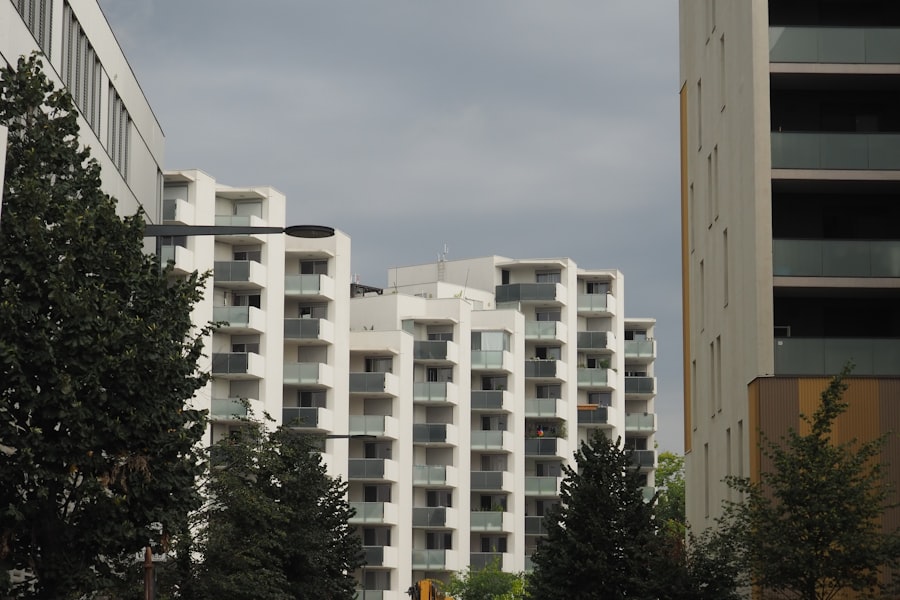
The housing market near Embry-Riddle offers a diverse portfolio of apartment types to suit various budgets, preferences, and living arrangements. Understanding these distinctions is crucial for identifying a suitable home.
Traditional Apartment Complexes
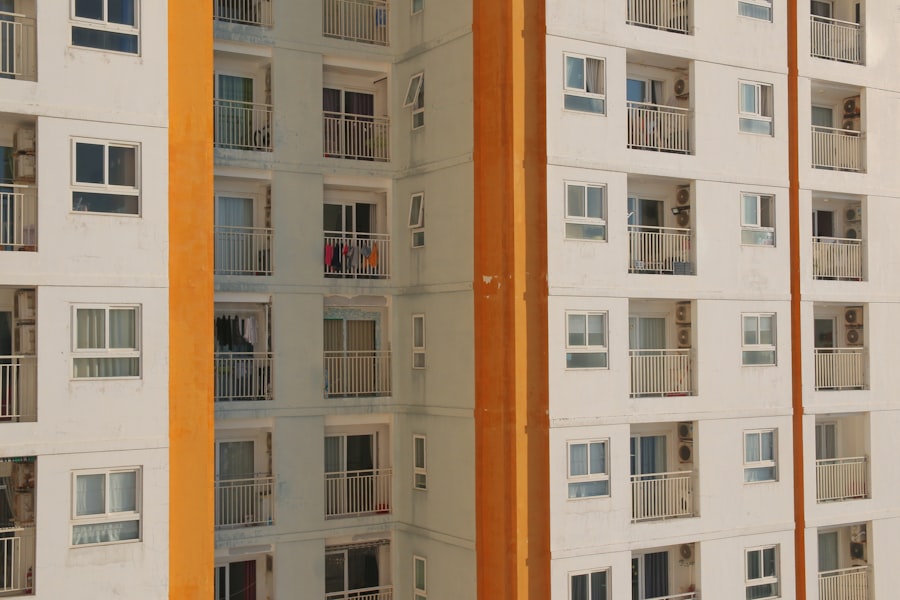
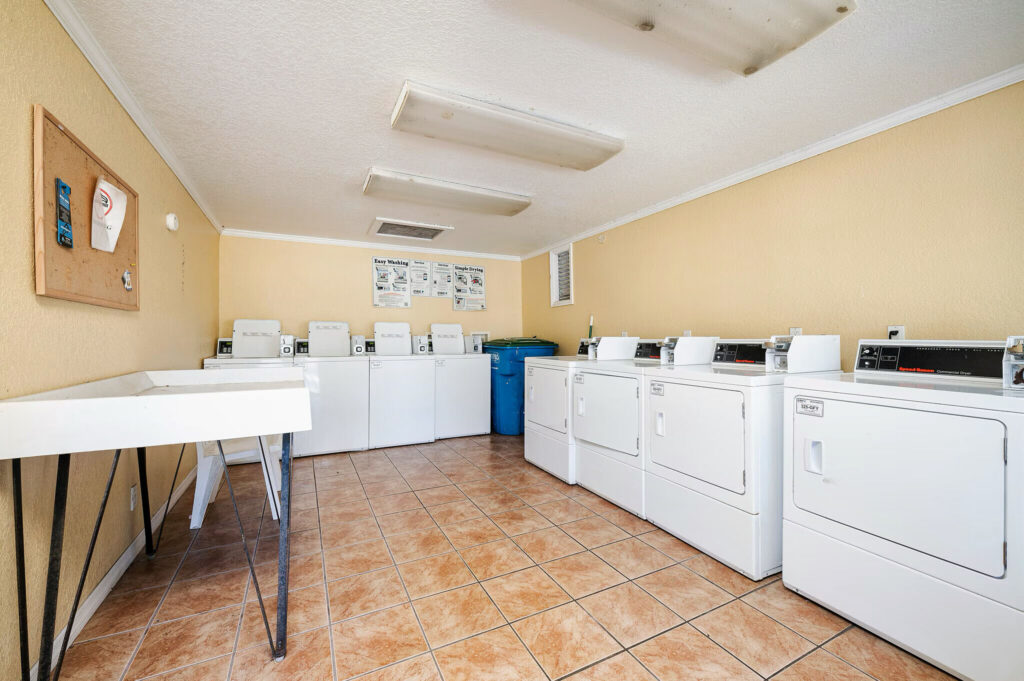
These are typically multi-story buildings or clusters of buildings managed by a professional property management company. They offer a range of unit sizes, from studios and one-bedrooms to larger three-bedroom layouts. Common amenities often include swimming pools, fitness centers, clubhouses, laundry facilities, and designated parking. Many complexes in the Daytona Beach area cater specifically to students, sometimes offering roommate matching services or individual lease agreements (per-bedroom leasing). This provides a structured living environment with consistent maintenance and access to shared facilities.
Per-Bedroom Leasing (Student-Oriented Complexes)
A growing trend in student housing is individual lease agreements, often referred to as “per-bedroom leasing.” In this model, you sign a lease for your specific bedroom within a larger multi-bedroom apartment, sharing common areas like the living room and kitchen with roommates. The significant advantage here is that you are only responsible for your rent, regardless of whether your roommates pay theirs or if a roommate moves out during the lease term. This mitigates financial risk and is particularly attractive to students who are newly forming roommate groups. These complexes often come furnished and include utilities in the rent, simplifying the move-in process.
Conventional Leasing (Traditional Apartments)
In conventional leasing, you and your roommates (if applicable) jointly sign a single lease for the entire apartment unit. This means all tenants are collectively responsible for the full rent amount. While potentially offering more flexibility in terms of furnishing and décor, it also carries a higher financial risk if a roommate defaults on their portion of the rent. Amenities typically vary by complex, but shared facilities like pools and fitness centers are common.
Duplexes, Townhouses, and Houses for Rent
Beyond purpose-built apartment complexes, the neighborhoods surrounding Embry-Riddle offer a substantial number of duplexes (two separate living units within one building), townhouses (multi-story units sharing walls with neighboring units), and single-family houses for rent. These options can provide a more private, residential feel compared to large apartment complexes. They often come with features like private yards, more spacious layouts, and fewer shared walls. However, they may require more personal responsibility for maintenance, and amenities like pools or fitness centers are typically not included. These rentals are often found through individual landlords or smaller real estate agencies.
Private Landlord Arrangements
Renting directly from a private landlord, particularly for duplexes or houses, can sometimes offer more flexible terms or a more personalized leasing experience. However, it also places greater emphasis on your due diligence in verifying the landlord’s credibility, ensuring clear lease agreements, and understanding maintenance responsibilities. Communication channels and responsiveness can vary significantly compared to professional property management companies.
Furnished vs. Unfurnished Units
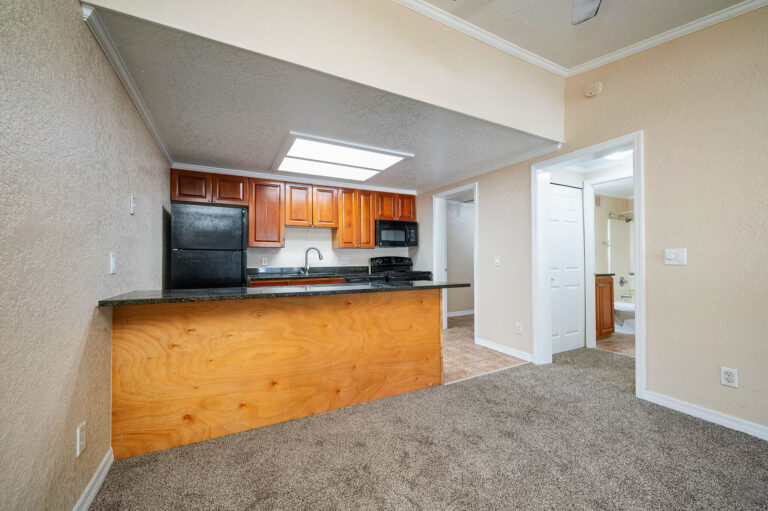
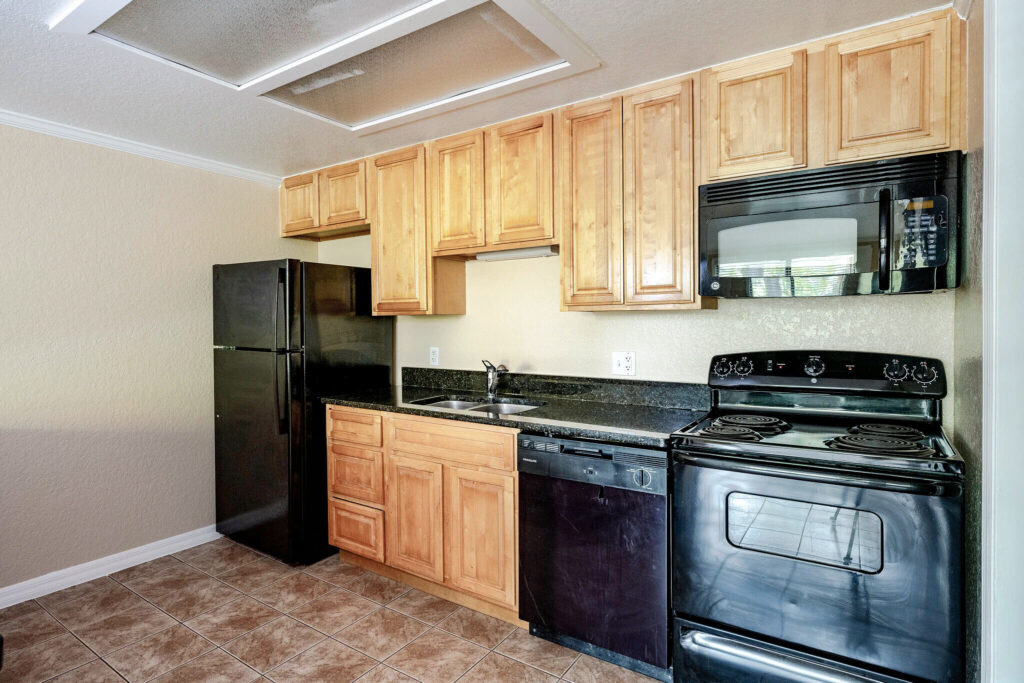
When evaluating apartments, a key consideration is whether the unit comes furnished or unfurnished. Furnished units typically include major furniture items such as beds, desks, chairs, and common area seating, and sometimes even kitchenware. This can be a significant advantage for students moving from out of state or those who prefer not to invest in furniture for a temporary living situation. However, furnished units often command higher rents. Unfurnished units provide a blank canvas, allowing you to personalize your living space and bring your own belongings, which might be more cost-effective in the long run if you already own furniture or plan to stay in the area for an extended period.
Essential Amenities to Consider
Beyond the basic living space, the amenities offered by an apartment can significantly enhance your quality of life. Think of these as the supporting infrastructure that underpins your academic and social endeavors. Prioritize features that align with your lifestyle and academic needs.
Academic Support Amenities
Access to reliable, high-speed internet is no longer a luxury but an academic necessity. Inquire about the internet provider, connection speed, and whether it’s included in the rent. Quiet study areas, either within your apartment or a dedicated communal space, can be invaluable. Some student-oriented complexes may even offer printing or computer labs.
Health and Wellness Facilities
Many modern apartment complexes, particularly those targeting students, offer fitness centers or gyms. Access to on-site fitness facilities can be a significant health benefit, eliminating the need for an external gym membership and encouraging a more active lifestyle. Swimming pools are also common and provide a relaxing outlet, especially in the Florida climate.
Transportation and Parking
If you plan to have a car, dedicated parking is paramount. Inquire about assigned spots, guest parking, and any associated fees. For those without a vehicle, proximity to public transportation (VOTRAN bus stops) or designated bike paths is crucial. Some complexes may offer shuttle services directly to Embry-Riddle, a highly convenient feature worth prioritizing.
Safety and Security Features
Your peace of mind is invaluable. Look for properties with controlled access (gated communities, key fob entry), well-lit common areas, and security cameras. On-site management, particularly during evening hours, can also be a reassuring presence. Understanding crime statistics for the surrounding neighborhood can also inform your decision.
Social and Recreational Spaces
Amenities like clubhouses, common lounges, barbecue areas, or game rooms can foster a sense of community and provide opportunities for relaxation and social interaction outside of your academic schedule. These spaces are particularly beneficial for connecting with fellow residents and combating potential feelings of isolation.
Financial Considerations and Budgeting
Securing an apartment is a significant financial commitment. Approaching this with a clear understanding of all costs involved is crucial for responsible budgeting and avoiding unexpected burdens.
Rent and Lease Terms
Rent is the most obvious cost, but it’s important to understand how it’s structured. Is it a fixed monthly amount, or does it vary based on the lease term (e.g., higher for shorter leases)? Most student-oriented apartments near Embry-Riddle offer 12-month leases, aligning with the academic year. Shorter-term leases (6-month, month-to-month) are less common and typically more expensive.
Security Deposits and Application Fees
Almost all landlords require a security deposit, usually equivalent to one month’s rent, which is held to cover potential damages beyond normal wear and tear. Application fees are non-refundable charges to cover background checks and administrative costs. While not always substantial, they add to your initial outlay.
Utilities and Additional Fees
Beyond rent, you’ll need to factor in utilities. These typically include electricity, water, internet, and sometimes trash disposal. Inquire if any utilities are included in the rent, as this can significantly impact your monthly budget. Some complexes may also levy additional fees for amenities like pet rent (if applicable), pest control, or parking. Be meticulous in asking for a breakdown of all potential charges beyond the base rent.
Renter’s Insurance
While often overlooked, renter’s insurance is a relatively inexpensive but critical safeguard. It protects your personal belongings from theft, fire, or other covered perils, and also provides liability coverage in case someone is injured in your apartment. Many landlords now require tenants to carry renter’s insurance.
Furnishing Costs (if unfurnished)
If you opt for an unfurnished apartment, remember to budget for furniture, including a bed, desk, chairs, and possibly common area items. While it’s a one-time expense, it can be substantial upfront. Consider discounted furniture stores, secondhand options, or coordinating with roommates to share costs.
Navigating the Application Process
Applying for an apartment, especially for the first time, can seem daunting. Being prepared and understanding the typical requirements will streamline the process.
Required Documentation
Landlords and property management companies typically require a range of documents to assess your eligibility. These commonly include a valid government-issued ID, proof of income (pay stubs, financial aid statements, scholarship letters), and potentially a credit report. For students with limited income or credit history, a co-signer (usually a parent or guardian) may be required. The
FAQs
What are some popular apartment complexes near Embry-Riddle Aeronautical University in Daytona?
Popular apartment complexes near Embry-Riddle in Daytona Beach include The Landing at Daytona, The Reserve at Daytona, and The Pointe at Daytona. These communities offer convenient access to campus and various amenities.
How far are the apartments from Embry-Riddle campus?
Most apartments near Embry-Riddle are within a 5 to 10-minute drive or a short bike ride from the campus, making them very convenient for students and staff.
What amenities are commonly available in apartments near Embry-Riddle?
Apartments near Embry-Riddle typically offer amenities such as swimming pools, fitness centers, study lounges, laundry facilities, and sometimes shuttle services to campus.
Are there furnished apartment options available near Embry-Riddle?
Yes, many apartment complexes near Embry-Riddle offer furnished units, which are ideal for students who prefer a move-in ready living space without the hassle of buying furniture.
What is the average rent price for apartments near Embry-Riddle in Daytona Beach?
The average rent for apartments near Embry-Riddle ranges from approximately $900 to $1,500 per month, depending on the size, location, and amenities of the unit.