
Bungalow Besties: A Pet’s Perspective on Fenced Patios and Garden Walks
Port Orange, Florida, a coastal city nestled in Volusia County, offers a diverse spectrum of housing options. For pet owners, the prospect of finding suitable accommodation can sometimes feel like navigating a labyrinth. However, Port Orange has a growing landscape of pet friendly housing, catering to a variety of needs and preferences, ensuring that your canine or feline companions can be an integral part of your new home. This article aims to provide a comprehensive guide, cutting through the complexities to illuminate the pathways towards discovering suitable pet friendly residences in this vibrant community.
When embarking on the journey of finding pet friendly housing, it is crucial to demystify the often-varied pet policies prevalent in Port Orange. These policies are not monolithic; they represent a mosaic of regulations and guidelines, shaped by individual property owners, homeowners associations, and rental management companies. A thorough understanding of these intricacies will act as your compass, guiding you towards properties that align with your pet’s needs and your personal preferences.

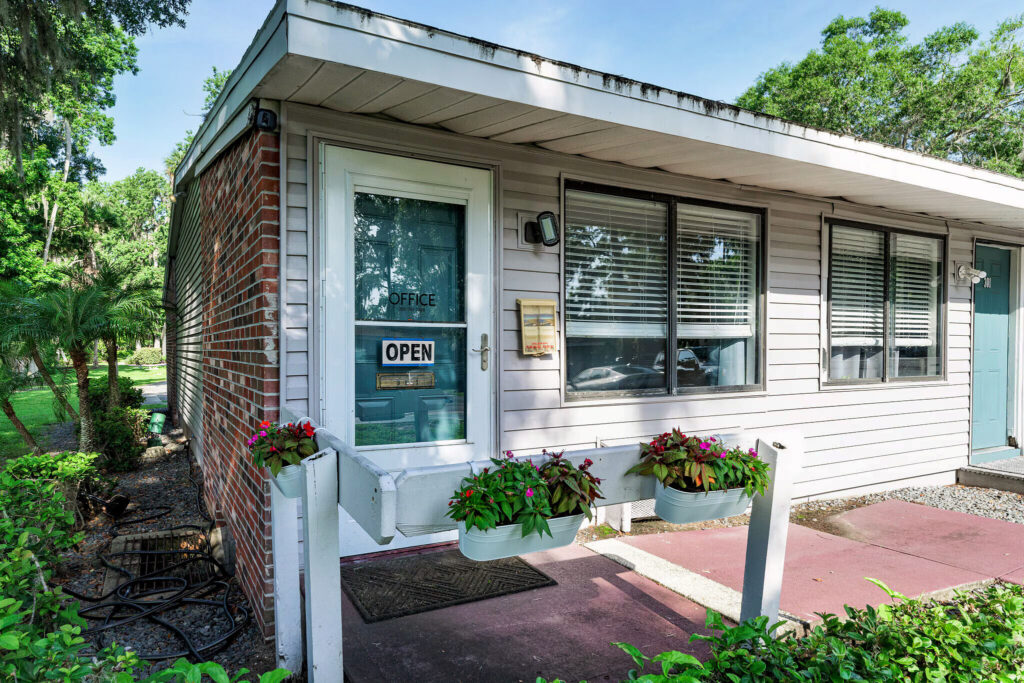
Types of Pet Policies
The spectrum of pet policies can span a wide range, from outright prohibitions to comprehensive acceptance. It is important to recognize the distinctions, as they directly impact your housing search.
No Pet Policy
This is the most restrictive type of policy, where pets are not permitted on the property whatsoever. In such cases, if you have a pet, these properties are automatically out of consideration.
Restricted Pet Policy
Many properties implement a restricted pet policy. This can manifest in several ways, each requiring careful examination.
Breed Restrictions
Often, properties will have a list of specific dog breeds that are not allowed. These restrictions are typically based on insurance carrier concerns regarding perceived aggression or bite history, regardless of individual animal temperament. Common breeds on these restricted lists can include Pit Bulls, Rottweilers, Doberman Pinschers, and sometimes larger breeds with certain build characteristics. It is imperative to verify these lists directly with the property management or owner to avoid disappointment.
Size and Weight Limits
Another common restriction involves the size or weight of pets. Properties may stipulate a maximum weight limit for dogs, for instance, often ranging from 25 to 75 pounds. Similarly, there can be limitations on the number of pets allowed per household, typically one or two, and sometimes restrictions based on the combined weight of multiple animals.
Number of Pets
As mentioned, a property might permit pets but limit the total number of animals residing in a unit. This ensures that a single residence does not become overcrowded, which can contribute to noise complaints or potential property damage.
Exotic or Unusual Pets
Beyond common domestic animals like dogs and cats, some policies may specifically prohibit exotic pets, such as reptiles, birds, or small mammals like ferrets. These restrictions are often due to differing needs for enclosure, potential for noise, or specialized care requirements that some properties may not be equipped to accommodate.
Pet Friendly Policy
This is the most desirable category for pet owners. However, even within “pet friendly” classifications, nuances exist.
Unrestricted Pet Policy
Ideally, you might find a property with an unrestricted pet policy, where all types of pets are welcome without limitations on breed, size, or number. These are rare but highly sought after.
Policies with Fees and Deposits
Most commonly, “pet friendly” means that pets are allowed but come with associated costs. These can include:
Pet Rent
This is a recurring monthly fee, added to your regular rent, that is specifically for the privilege of having a pet. It is not a one-time charge and can significantly impact your monthly budget.
Pet Deposit
A pet deposit is a one-time, refundable (or partially refundable) payment made at the time of moving in. This deposit is intended to cover potential damages caused by pets, such as scratches on floors, carpet stains, or chew marks. The amount can vary greatly.
Non-Refundable Pet Fee
Some properties opt for a non-refundable pet fee instead of a deposit. This fee is paid upfront and is not returned at the end of the tenancy, regardless of whether any damage occurs.
Service Animals vs. Emotional Support Animals
It is crucial to distinguish between service animals and emotional support animals (ESAs) when discussing pet policies. Under the Americans with Disabilities Act (ADA), service animals are working animals trained to perform specific tasks for individuals with disabilities. ESAs, while providing therapeutic benefits, are not trained to perform specific tasks and fall under different legal protections, primarily within the Fair Housing Act.
Service Animals
Service animals, typically dogs, are granted broad access rights and are usually not subject to the same breed, size, or weight restrictions as pets. Property owners cannot deny housing based on the presence of a service animal. However, documentation may be requested to verify the animal’s status as a service animal.
Emotional Support Animals
ESAs, while also protected under the Fair Housing Act, may be subject to certain reasonable restrictions on breed or size if they pose a direct threat to the health or safety of others or if they would cause substantial physical damage to the property of others that cannot be reduced or eliminated by another reasonable accommodation. Documentation from a licensed mental health professional is typically required to confirm the need for an ESA.
Understanding these distinctions is vital as it directly impacts your eligibility for certain housing options and the legal framework surrounding your pet’s presence.
Navigating Rental Properties in Port Orange
The rental market in Port Orange offers a substantial portion of its housing stock, and within this sector, pet friendly options are increasingly prevalent. However, the approach to finding suitable rentals requires a systematic and informed strategy.
Searching for Pet Friendly Apartments
Apartment complexes represent a significant segment of Port Orange’s rental market. Many of these communities are designed with modern amenities and increasingly recognize the demand for pet-inclusive living.
Identifying Apartment Complexes
There are numerous apartment communities scattered throughout Port Orange. These range from large, multi-building complexes with extensive facilities to smaller, boutique-style buildings. Your search should begin by identifying areas or complexes that publicly advertise or are known to be pet friendly.
Utilizing Online Listing Platforms
Websites dedicated to real estate listings are invaluable tools. When searching on platforms like Apartments.com, Zillow, or Craigslist (with caution and verification), utilize the “pet friendly” filters. This will narrow down your options considerably. However, always remember to take these listings as a starting point, not the definitive word.
Contacting Property Management Directly
Even if an online listing states “pet friendly,” it is prudent to contact the property management company or leasing office directly. This allows you to:
Inquire About Specific Pet Policies
Confirm the exact breed, size, and number restrictions. Do not assume that “pet friendly” implies no limitations.
Clarify Fees and Deposits
Obtain a clear breakdown of all pet-related fees, including pet rent, pet deposits, and any non-refundable fees. Understand the terms of refundability for deposits.
Discuss Potential Accommodations
Inquire about any specific amenities for pets, such as dog parks, pet washing stations, or designated relief areas within the complex. While not always available, these can be significant advantages.
Exploring Pet Friendly Houses for Rent
Renting a single-family home or a townhouse can offer more space and a private yard, which can be highly beneficial for pets. The pet policies in this segment are often determined by individual landlords, making direct communication paramount.
Working with Real Estate Agents
Local real estate agents who specialize in rentals can be excellent resources. They often have up-to-date knowledge of properties and relationships with landlords. Inform them from the outset that you are searching for pet friendly accommodation.
Understanding Landlord-Specific Policies
When renting a house, the landlord’s personal pet policy is the Decider. This can be more flexible than a corporate policy, but also potentially more stringent if the landlord has had negative experiences in the past.
Direct Communication is Key
When you find a house that interests you, initiate a conversation with the landlord or their representative. Be transparent about your pet(s), including their breed, age, temperament, and any relevant training or medical information.
Offering Pet Resumes or References
Some landlords may be open to a “pet resume” that includes information about your pet’s history, vet records, and even references from previous landlords or veterinarians. This can help alleviate concerns and demonstrate responsible pet ownership.
Negotiating Terms
In some cases, you might be able to negotiate terms. For example, if you are willing to pay a slightly higher security deposit or agree to specific clauses regarding pet care and maintenance of the property, a landlord might be more inclined to accept your pet.
Discovering Pet Friendly Condominiums and Townhouses

Condominium associations and townhouse communities in Port Orange often have specific rules governing pet ownership. These rules are established by the Homeowners Association (HOA) or Condo Association and can significantly influence the availability of pet friendly living.
Investigating Association Pet Rules
Before committing to a condominium or townhouse, it is essential to thoroughly investigate the association’s pet-related bylaws and regulations.
Reviewing Governing Documents
The Declaration of Condominium or the Covenants, Conditions & Restrictions (CC&Rs) for a townhouse community are the primary documents outlining these rules. You should request and carefully review these documents.
Pet Breed and Size Restrictions in Associations
Similar to rental properties, HOAs and Condo Associations frequently implement breed and size restrictions for pets. These are often more rigidly enforced than in individual rental situations due to shared community spaces and potential impacts on property values.
Number of Pets Allowed
Associations typically limit the number of pets per unit. This is to maintain community harmony and prevent issues arising from an excessive number of animals.
Common Area Pet Rules
Pay close attention to rules regarding pets in common areas, such as hallways, elevators, pools, and shared outdoor spaces. These often involve leash requirements, designated walking areas, and cleanup protocols.
Engaging with Property Managers and Boards
Direct communication with the property manager or board members of the condominium or townhouse association is crucial.
Clarifying Interpretation of Rules
Sometimes, the written rules can be subject to interpretation. Discussing your specific situation with the governing body can provide clarity on how the rules are applied in practice.
Understanding Enforcement Mechanisms
Inquire about how the pet rules are enforced and what the consequences are for violations. This will give you a realistic understanding of the community’s approach to pet ownership.
The Role of Pet Addendums in Purchase Agreements
If you are considering purchasing a condominium or townhouse, ensure that any pet addendums or riders are clearly understood and agreed upon as part of the purchase agreement. This legally binds both parties to the stated pet policies.
Exploring Pet Friendly Neighborhoods in Port Orange
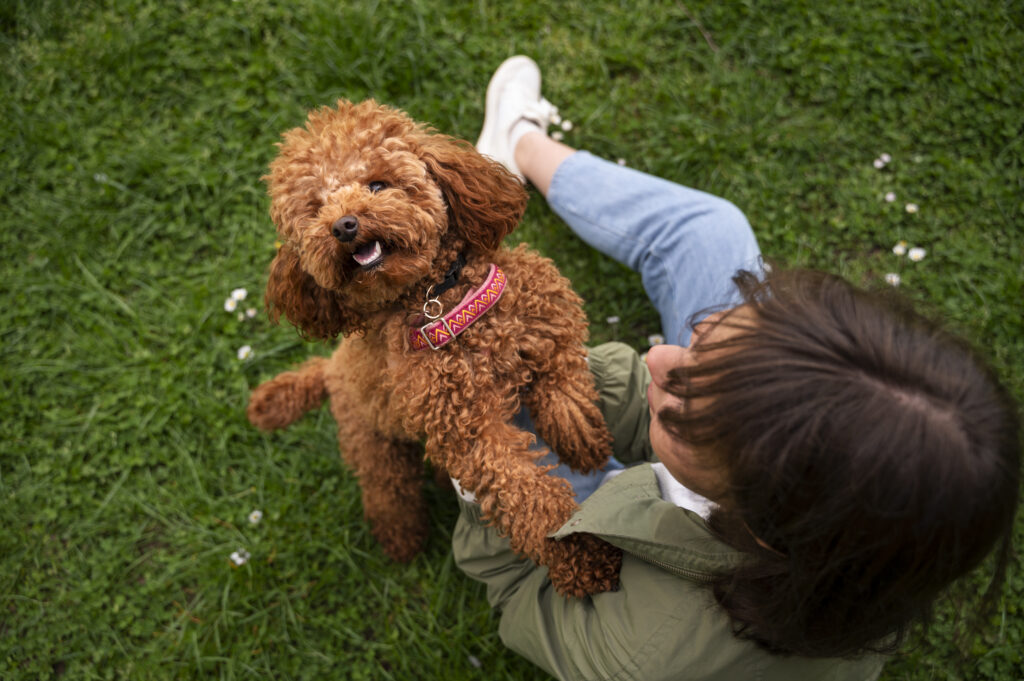
While individual property policies are paramount, some neighborhoods in Port Orange may be more conducive to pet ownership due to their infrastructure and community ethos. Identifying these areas can streamline your search.
Proximity to Green Spaces and Parks
The availability of nearby green spaces and parks is a significant factor for pet owners. Port Orange offers several options that cater to this need.
Community Parks and Recreation Areas
Port Orange boasts a number of community parks that are often equipped with walking trails and open areas suitable for dog walking. Familiarize yourself with the local park system.
Designated Dog Parks
While not extensive, the presence of designated dog parks in or near Port Orange is a boon. These controlled environments allow dogs to socialize and exercise off-leash safely. Researching the locations and amenities of any such parks is recommended.
Access to Beaches and Trails
Some areas within Port Orange and its immediate surroundings offer access to natural areas or the beach where pets may be permitted under specific regulations.
Beach Regulations for Pets
It is vital to confirm the specific rules regarding pets on Port Orange beaches. Some beaches may have time restrictions or designated areas where dogs are allowed, while others may prohibit them entirely. Always check local ordinances and posted signs to avoid citations.
Nature Trails and Walking Paths
The availability of nature trails and walking paths in suburban or more rural pockets of Port Orange can provide excellent opportunities for outdoor exercise for both you and your pet.
Community Walkability and Pet Amenities
The overall walkability of a neighborhood and the presence of pet-centric amenities can contribute to a more enjoyable living experience for you and your furry companions.
Sidewalk Infrastructure
A neighborhood with well-maintained sidewalks encourages leisurely walks and makes it easier to navigate with a pet, especially in denser areas.
Proximity to Pet Services
Consider neighborhoods that offer convenient access to essential pet services, such as veterinary clinics, groomers, pet supply stores, and dog walkers. This can simplify the logistical aspects of pet care.
Tips for a Successful Pet Friendly Housing Search
Embarking on a pet friendly housing search requires more than just identifying available properties; it necessitates a strategic and proactive approach. Arming yourself with the right knowledge and employing effective tactics will significantly increase your chances of success.
Be Proactive and Prepared
The more prepared you are, the smoother your search will be. This involves understanding your needs and having necessary documentation ready.
Understand Your Pet’s Needs
Before you start looking, assess your pet’s specific requirements. Does your dog require a large yard for exercise, or are frequent walks sufficient? Does your cat prefer a quiet environment with no other animals nearby? Tailoring your search to your pet’s individual needs will lead to a happier coexistence.
Prepare a “Pet Resume”
As previously mentioned, a “pet resume” can be a powerful tool. This document can include:
Breed, Age, and Temperament Description
Provide an honest and positive portrayal of your pet.
Vaccination and Health Records
Current immunization records demonstrate responsible ownership.
Training and Behavioral Information
Highlight any obedience training or positive behavioral traits.
Photos of Your Pet
A friendly photo can help potential landlords or neighbors connect with your animal.
References from Previous Landlords or Vets (if applicable)
Positive testimonials can build trust.
Maintain Clear Communication
Transparency and open dialogue are your allies in the pet friendly housing search.
Be Honest About Your Pet(s)
Do not attempt to hide any pets or misrepresent their breed, size, or number. This can lead to lease violations and potential eviction.
Ask Detailed Questions
Never hesitate to ask clarifying questions about pet policies, fees, and restrictions. It is better to have all the information upfront than to face surprises later.
Consider a Pet Addendum to Your Lease
When you find a property that suits your needs and your pet is approved, ensure that the pet policy is clearly documented in your lease agreement.
Specificity is Key
The addendum should clearly outline:
The approved pet(s) by type, breed, size, and number.
All associated fees and deposits (pet rent, pet deposit, non-refundable fees).
Specific rules regarding pet care, behavior, and use of common areas.
Consequences for policy violations.
Be Patient and Persistent
Finding the ideal pet friendly housing in Port Orange can take time and effort. Do not get discouraged by initial setbacks.
Explore Multiple Avenues
Continuously utilize online resources, work with real estate professionals, and consider traditional methods like driving through neighborhoods and looking for “for rent” signs.
Network with Other Pet Owners
Local pet owner groups, online forums, or even conversations at dog parks can yield valuable leads and insider tips on available pet friendly residences.
By adopting a methodical and informed approach, and by being a responsible and transparent pet owner, you can successfully navigate the housing market in Port Orange and find a comfortable and welcoming home for both yourself and your beloved animal companions.
FAQs
What types of pet friendly housing options are available in Port Orange?
In Port Orange, pet friendly housing options include apartments, townhomes, single-family homes, and condominiums that allow pets. Many landlords and property managers specify pet policies in their listings.
Are there any breed or size restrictions for pets in Port Orange housing?
Yes, many pet friendly housing communities in Port Orange have breed and size restrictions. Common restrictions include limits on dog breeds considered aggressive and maximum weight limits for pets.
Do pet friendly rentals in Port Orange require additional fees or deposits?
Most pet friendly rentals in Port Orange require a pet deposit or an additional monthly pet rent. These fees help cover potential damages and maintenance related to having pets on the property.
Where can I find listings for pet friendly housing in Port Orange?
You can find pet friendly housing listings in Port Orange on real estate websites, rental platforms, local classifieds, and through real estate agents who specialize in pet friendly properties.
Are there any local regulations in Port Orange regarding pets in rental housing?
Port Orange follows Florida state laws regarding pets in rental housing, but landlords can set their own pet policies. Tenants should review lease agreements carefully to understand pet rules and any restrictions.