
Errands Made Easy: Exploring the Shops within Walking Distance of your Door
Port Orange, Florida, is a city that offers a growing number of opportunities for residents and visitors to engage in walkable shopping experiences. While the city is known for its car-centric infrastructure, strategic planning and development have cultivated pockets of pedestrian-friendly retail and service areas. These areas allow for a more relaxed and immersive approach to commerce, where the journey of discovery on foot complements the act of purchasing goods and services. Exploring these walkable zones provides an alternative to the traditional drive-in, drive-out model of retail, fostering a deeper connection with the local community and its offerings.
Port Orange’s development has historically mirrored the suburban growth patterns prevalent in many American cities, prioritizing vehicular access and convenience. However, a shift in urban planning philosophy, driven by a desire for increased livability and a response to changing consumer preferences, has begun to reshape certain areas. This evolution is not a dramatic overnight transformation but rather a gradual infusion of pedestrian-oriented design elements into existing commercial landscapes. The foundation of walkable shopping in Port Orange is built upon these evolving urban arteries, where sidewalks are being enhanced, streetscaping is being improved, and mixed-use developments are being encouraged.

Understanding the Shift: From Cars to Convenience
The historical dependence on automobiles for shopping in Port Orange was a direct reflection of post-war suburbanization. Shopping centers were designed with vast parking lots as the primary interface with consumers. However, the concept of “walkability” has resurfaced as a desirable urban trait, not as a romantic ideal, but as a practical measure of convenience, health, and community engagement. For Port Orange, this signifies a reallocation of focus, understanding that while cars remain essential, dedicated, safe, and pleasant pedestrian pathways can unlock significant economic and social benefits for both businesses and residents.
Zoning and Planning: The Architects of Walkability
The legal and planning frameworks within Port Orange play a crucial role in shaping its walkability. Zoning ordinances that permit or encourage mixed-use developments, where residential, commercial, and recreational spaces are co-located, are fundamental. These ordinances act as the blueprint, allowing for the organic growth of areas where daily needs can be met within a reasonable walking distance. Furthermore, pedestrian-friendly design standards, which dictate sidewalk width, accessibility, lighting, and the presence of amenities like benches and trees, are essential for creating truly usable and attractive walking environments.
Pockets of Pedestrian Bliss: Key Walkable Retail Hubs
While Port Orange may not boast a singular, sprawling downtown pedestrian mall, it offers distinct zones where walkable shopping is not only possible but encouraged. These areas are like oases in the urban landscape, offering respite from the constant hum of traffic and the necessity of a car. Each hub possesses its own unique character, catering to different needs and preferences, from everyday necessities to specialized boutiques. Discovering these hubs is akin to uncovering hidden gems, each with its own story to tell through its storefronts and the rhythm of foot traffic.
The Venetian Bay Town Center: A Modern Masterpiece
The Venetian Bay Town Center stands as a prominent example of modern, planned walkable retail in Port Orange. This development has been designed with the pedestrian experience at its forefront. It features a central promenade, lined with a diverse array of shops, restaurants, and professional services. The architecture itself is conducive to walking, with inviting storefronts, ample green spaces, and shaded seating areas. Navigating this center on foot is intuitive, allowing shoppers to seamlessly transition from one establishment to another. It serves as a microcosm of what walkable retail can achieve when intentionally designed.
Dining and Delights: A Culinary Corridor
Within the Venetian Bay Town Center, a significant portion of its appeal lies in its diverse culinary offerings. Restaurants ranging from casual eateries to more upscale dining experiences are strategically placed to encourage exploration. The proximity of these establishments allows diners to stroll between appetizer points, main courses, and dessert locations, making for a more engaged and enjoyable dining experience. This concentration of food-related businesses acts as a gravitational pull for foot traffic, contributing to the overall vibrancy of the area.
Services and Specialties: Beyond the Necessities
Beyond dining, the Venetian Bay Town Center provides a comprehensive range of services and specialty shops. Hair salons, pharmacies, fitness studios, and professional offices are integrated into the retail mix. This integration means that residents can accomplish multiple errands during a single outing on foot, enhancing the practicality and convenience of the location. The presence of these services broadens the appeal of the Town Center, making it a one-stop destination for a variety of needs and wants.
The Pavilion at Port Orange: A Retail Nexus with Pedestrian Considerations
While primarily a large-scale shopping destination, The Pavilion at Port Orange has incorporated elements that support walkable shopping within its expansive retail environment. The layout of the center, with its interconnected pathways and thoughtfully placed landscaping, allows for a degree of pedestrian movement between stores, particularly within designated pedestrian zones. While not as inherently designed for walking as a smaller town center, the sheer density of retailers within The Pavilion means that for a shopper looking to visit multiple stores, walking between them is often more efficient than repeatedly driving and parking.
Anchors and Adjacencies: Strategic Store Placement
The strategic placement of anchor stores and complementary retailers within The Pavilion facilitates walking. By locating popular national retailers in proximity to smaller boutiques and service providers, the center encourages shoppers to explore beyond their initial destination. This adjacency acts as a catalyst for discovery, where a trip to a well-known store can lead to an unexpected find in a neighboring establishment. The large footprint of The Pavilion necessitates a thoughtful approach to internal navigation, and well-designed walkways are key to making this feasible on foot.
Community Spaces: Fostering Interaction
The developers of The Pavilion have also recognized the importance of community spaces to enhance the pedestrian experience. The inclusion of open areas, seating, and occasional event spaces can transform the act of shopping from a purely transactional endeavor into a more social and engaging experience. These areas can serve as rallying points, places for respite, or informal gathering spots, encouraging lingering and interaction among shoppers, thereby increasing foot traffic and supporting the businesses within the center.
Emerging Trends: Small-Scale Commerce and Local Flavors
Neighborhood Boutiques and Local Artisans: A Personal Touch
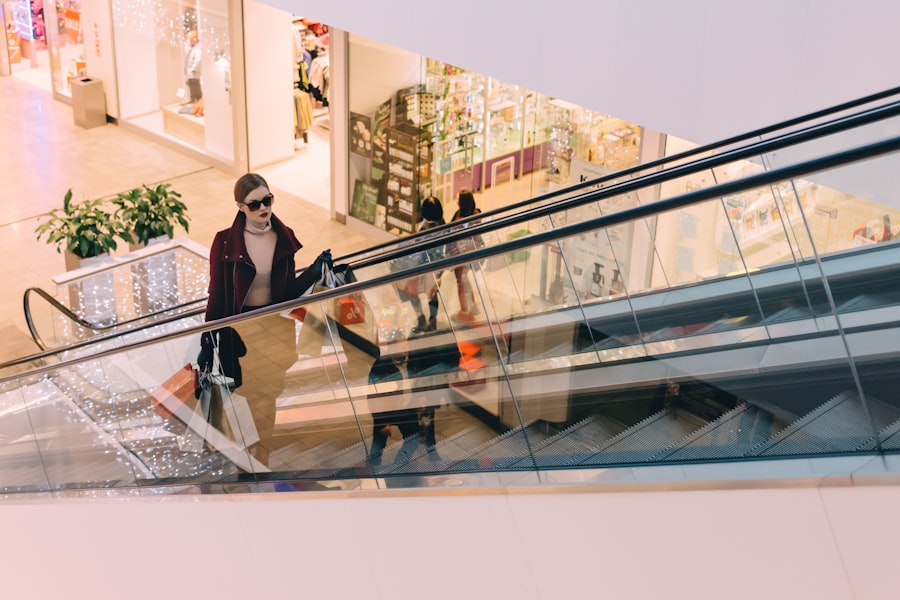
Certain neighborhoods in Port Orange are seeing a resurgence of small, independent shops. These boutiques often specialize in unique goods, from handmade crafts and artisan foods to vintage clothing and bespoke gifts. Their charm lies in their individuality and the personal connection they offer. When these shops are clustered together, they create natural destinations for walkers, encouraging exploration and fostering a sense of discovery. The very act of visiting these shops often feels like a curated experience, a departure from the mass-produced.
Cafes and Eateries: Fueling the Pedestrian Journey
The presence of welcoming cafes and independent eateries is a crucial element in supporting walkable shopping. These establishments provide places for shoppers to pause, refuel, and observe the flow of activity. A well-placed coffee shop or a cozy bistro can act as a social hub, drawing people to the area and encouraging them to spend more time on foot. These culinary anchors are the lifeblood of many walkable districts, transforming a simple stroll into an enjoyable interlude.
Enhancing the Pedestrian Experience: Infrastructure and Amenities

Sidewalk Networks and Connectivity: The Arteries of Motion
A well-developed and interconnected network of sidewalks is the bedrock of any walkable community. In Port Orange, efforts to maintain, widen, and expand sidewalk networks are crucial for facilitating seamless pedestrian movement. Connectivity between different retail areas, residential neighborhoods, and public amenities is paramount. Imagine a series of disconnected islands; walkability requires bridges to link them. The focus is on creating fluid pathways that allow people to move easily from point A to point B, and potentially to points C, D, and E.
Accessibility for All: Inclusive Design
Ensuring that sidewalks and pathways are accessible to individuals of all abilities is a fundamental responsibility. This includes the implementation of curb cuts, the removal of obstructions, and the maintenance of smooth, even surfaces. Walkability should not be an exclusive club; it must be an open invitation to everyone. Designing for accessibility is not an afterthought; it is an integral part of creating a truly inclusive and functional pedestrian environment.
Streetscaping and Greenery: Beautifying the Path
The aesthetic appeal of walking routes significantly influences whether people choose to walk. Thoughtful streetscaping, including the planting of trees for shade, the inclusion of benches for rest, and the use of attractive lighting, transforms a utilitarian path into an inviting promenade. Greenery not only enhances visual appeal but also contributes to a more pleasant microclimate, making walking more comfortable, especially in Florida’s warmer months. These elements act as the decorative flourishes that elevate the overall journey.
Lighting and Safety: Illuminating the Way
Adequate and well-placed lighting is essential for pedestrian safety and comfort, particularly during evening hours. Well-lit streets and pathways deter crime, create a sense of security, and extend the hours during which people feel comfortable walking. This illumination is not just about visibility; it’s about fostering confidence and encouraging continued engagement with the public spaces.
Incentivizing Pedestrian-Friendly Development: Policy and Investment
Future growth in walkable shopping will be significantly influenced by city policies and investments. Incentives for developers to incorporate pedestrian-friendly design into new projects, coupled with ongoing investment in public infrastructure like improved sidewalks and public transit integration, will be crucial. These strategic decisions are the levers that will accelerate the development of more walkable retail areas. The city’s commitment to this vision will be a key determinant of its success.
Business Engagement: Embracing the Pedestrian Consumer
Businesses themselves will play a vital role in fostering walkable shopping. Marketing strategies that highlight walkability, the provision of welcoming storefronts, and participation in community events that draw foot traffic will be essential. As more businesses recognize the value of the pedestrian consumer – who often spends more time browsing and engaging with local establishments – the incentives to create walkable-friendly environments will grow organically. This is a symbiotic relationship where businesses and infrastructure work in concert.
Technology and Wayfinding: Navigating the Walkable City
In the digital age, technology can also play a role in enhancing the walkable shopping experience. The development of user-friendly mobile applications that provide maps, directories, and information about local businesses can help pedestrians navigate and discover walkable areas more effectively. Clear signage and wayfinding within shopping districts are also vital for ensuring that individuals can easily find their desired destinations on foot. Digital tools can act as modern-day cartographers, guiding the explorer.
The exploration of Port Orange’s walkable shopping opportunities offers a compelling alternative to traditional retail habits. By focusing on existing and emerging pedestrian-friendly zones, and by considering the crucial elements of infrastructure and amenities, residents and visitors can unlock a more engaging, convenient, and community-oriented way to shop. As Port Orange continues to evolve, the potential for walkable commerce is set to expand, offering a promising glimpse into a more connected and vibrant urban future.
FAQs
What does “walkable shopping” mean in Port Orange?
Walkable shopping in Port Orange refers to shopping areas designed to be easily accessible on foot, with pedestrian-friendly sidewalks, crosswalks, and nearby amenities that encourage walking between stores and services.
Where are some popular walkable shopping areas in Port Orange?
Popular walkable shopping areas in Port Orange include the Port Orange Town Center and the Dunlawton Avenue corridor, where multiple retail stores, restaurants, and services are located close together with pedestrian access.
Are there public transportation options available near walkable shopping areas in Port Orange?
Yes, Port Orange is served by public transportation options such as bus routes that connect to major shopping districts, making it convenient for residents and visitors to access walkable shopping areas without a car.
Is parking available near walkable shopping districts in Port Orange?
Yes, most walkable shopping districts in Port Orange offer ample parking options, including surface lots and street parking, to accommodate shoppers who prefer to drive.
What benefits does walkable shopping provide to the Port Orange community?
Walkable shopping promotes healthier lifestyles by encouraging walking, reduces traffic congestion and pollution, supports local businesses, and enhances the overall sense of community in Port Orange.