Coastal Luxe: Modern Kitchen Upgrades in our Renovated Bungalows
Florida’s real estate market, particularly in its dense urban and coastal areas, has long been characterized by a demand for premium amenities and upscale finishes. Within this competitive landscape, apartments featuring granite countertops have emerged as a significant benchmark for luxury living. This article will explore the prevalence and implications of granite countertops in Florida’s apartment complexes, delving into their aesthetic, practical, and economic considerations.
Granite, an igneous rock formed from the slow crystallization of magma below the Earth’s surface, has been prized for centuries for its durability and aesthetic versatility. Its adoption in residential construction, particularly in the premium segment, reflects a broader trend towards natural, long-lasting materials.
Geological Makeup and Properties
Granite is composed primarily of quartz, feldspar, mica, and other minerals, which contribute to its diverse color palette and unique crystalline patterns. This geological composition grants granite several desirable properties, making it an ideal material for kitchen and bathroom surfaces in high-traffic environments like apartments.
- Hardness and Durability: Ranking high on the Mohs scale of mineral hardness, granite is exceptionally resistant to scratches, chips, and abrasion. This makes it suitable for everyday use in kitchens, where impacts from cookware and utensils are common.
- Heat Resistance: Granite can withstand high temperatures without sustaining damage, a crucial characteristic for kitchen countertops that frequently encounter hot pots and pans. While direct, prolonged exposure to extreme heat should still be avoided to prevent thermal shock, its inherent heat resistance outperforms many engineered materials.
- Unique Aesthetics: No two slabs of granite are identical. The mineral composition and geological processes involved in its formation result in an intricate tapestry of colors, veins, and speckles. This natural variation offers a bespoke aesthetic, contributing to the perception of individuality and exclusivity in luxury apartments.
- Longevity: Properly sealed and maintained, granite countertops can last for decades, often outliving the lifespan of other apartment fixtures. This longevity contributes to their overall value proposition and reduces the need for frequent replacements.
Historical Context in Residential Design
While natural stone has been used in construction since antiquity, its widespread adoption in residential kitchen design is a more recent phenomenon, gaining significant traction in the late 20th and early 21st centuries. The shift away from laminates and tiles towards materials like granite reflected a desire for higher-end finishes and a perceived elevation of domestic spaces. In Florida, where an affluent demographic often seeks vacation homes or permanent residences with premium features, the demand for granite aligned with a broader lifestyle expectation, positioning it as a symbol of contemporary luxury.
Economic Implications in Florida’s Rental Market
The inclusion of granite countertops significantly impacts the economic landscape of Florida’s apartment market, influencing rental pricing, property valuation, and tenant demographics. Developers and property managers leverage this amenity to differentiate their offerings and capture a specific market segment.
Rental Premiums and Property Value
Apartments featuring granite countertops typically command higher rental prices compared to those with standard laminate or solid-surface alternatives. This price differential is a direct reflection of the perceived value and quality enhancement that granite brings to a unit.
- Perceived Luxury: For many prospective tenants, the presence of granite is an immediate indicator of a higher-tier apartment, signaling attention to detail and an investment in quality by the property owner. This perception allows landlords to justify increased rent.
- Competitive Advantage: In a saturated market, apartments with granite countertops stand out. This competitive advantage enables property owners to attract tenants more readily and reduce vacancy rates, even in periods of high supply.
- Resale Value for Condominiums: While this article focuses on apartments, it is worth noting that for ownership models (condominiums), granite significantly contributes to the unit’s resale value, reflecting its enduring appeal and durability. For rental properties, this translates to a stronger asset base for the owner.
Target Demographics and Marketing Strategies
Property developers and managers often strategically implement granite countertops to appeal to specific tenant demographics, primarily those with higher disposable incomes and a preference for upscale living.
- Affluent Tenants: The primary target market for apartments with granite countertops typically includes young professionals, established families, and retirees who prioritize aesthetics, durability, and a sense of luxury in their living spaces.
- Marketing Language: Advertising for such properties consistently highlights “granite countertops” as a key feature, often alongside other amenities like stainless steel appliances, hardwood flooring, and resort-style facilities. This language is designed to resonate with the target demographic’s expectations for premium housing.
- Visual Appeal in Showings: During apartment viewings, the visual impact of granite countertops often serves as a focal point. Their polished appearance and distinctive patterns contribute to a positive first impression, reinforcing the apartment’s luxury appeal.
Maintenance and Longevity for Residents
Sealing Requirements and Practices
Granite, being a porous natural stone, requires periodic sealing to prevent staining and bacterial growth. The frequency of sealing depends on the type of granite and its usage.
- Porosity Variation: Different types of granite exhibit varying levels of porosity. Lighter-colored granites, for instance, tend to be more porous than darker ones and may require more frequent sealing.
- Sealer Application: High-quality impregnating sealers penetrate the stone’s pores, creating a barrier against liquids without altering the granite’s natural appearance. Property management typically handles initial sealing, but tenants may be responsible for routine cleaning and light maintenance.
- Impact of Neglect: Failure to properly seal granite can lead to the absorption of liquids like oil, wine, or acidic spills, resulting in permanent stains that detract from the countertop’s appearance and diminish the apartment’s overall aesthetic.
Cleaning Protocols and Recommended Products
Daily cleaning and specific care practices are crucial for maintaining granite countertops. Tenants are usually provided with guidelines to ensure the longevity of these high-value fixtures.
- Mild Cleaners: Regular cleaning should involve mild, pH-neutral cleaners specifically formulated for natural stone. Harsh chemical cleaners, abrasive pads, or acidic substances (like vinegar or lemon juice) can strip the sealer, etch the surface, or dull the granite’s polish.
- Avoidance of Abrasives: While granite is hard, abrasive cleaners or scouring pads can still scratch the surface or compromise the finish over time. Soft cloths or sponges are recommended for daily wiping.
- Prompt Spill Cleanup: Despite sealing, it is advisable to wipe up spills promptly, especially those involving acidic liquids or oil, to prevent them from penetrating the surface and causing stains. This proactive approach minimizes the risk of long-term damage.
Design Versatility and Aesthetic Impact

Color Palettes and Patterns
Granite is available in an astonishing array of colors, from subdued whites and grays to vibrant blues, reds, and greens, each interwoven with unique mineral patterns. This chromatic flexibility allows designers to harmonize countertops with various interior design themes.
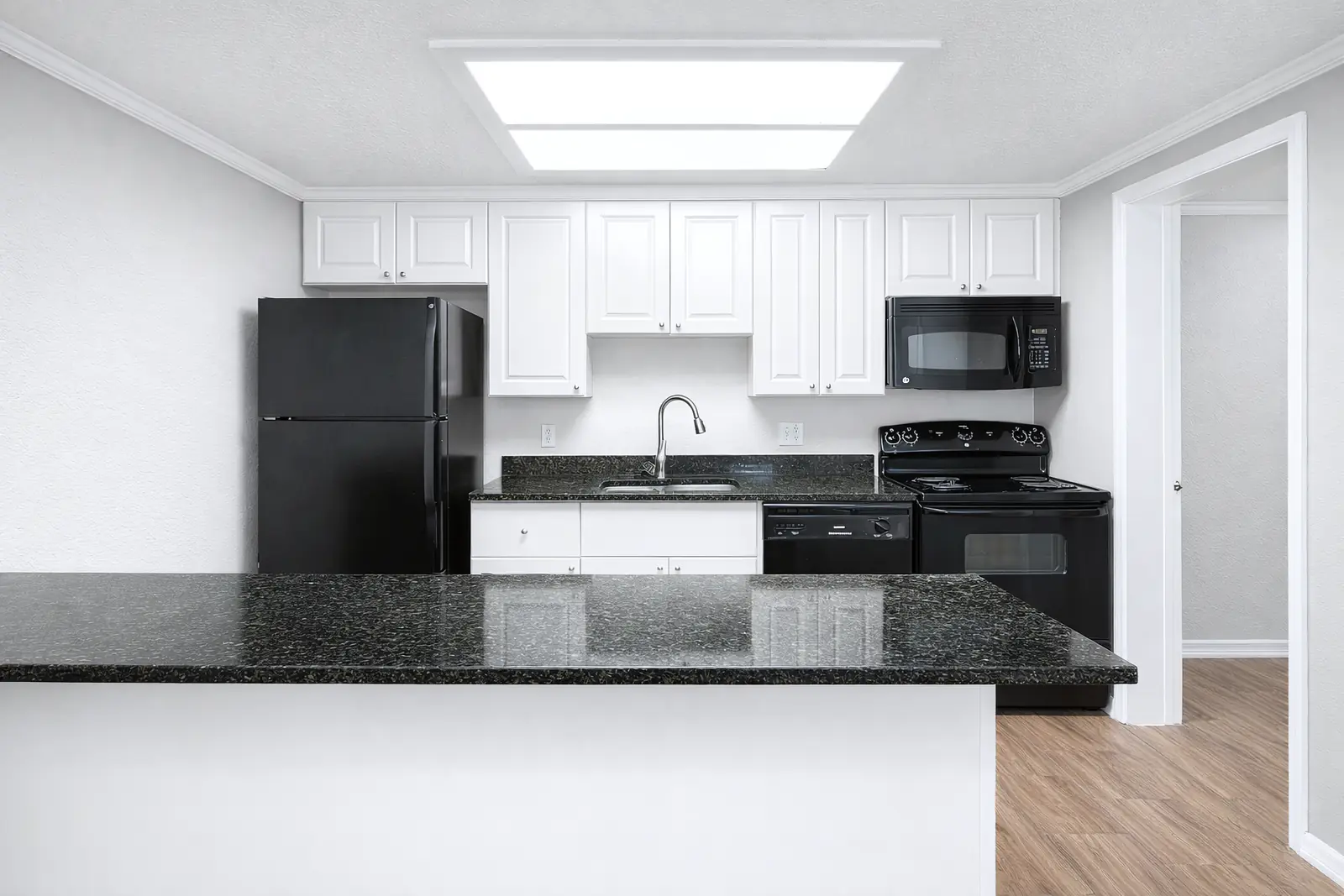
- Neutral Tones: White, gray, and black granites are popular choices for their timeless elegance and ability to complement a wide range of cabinetry and flooring. These colors often contribute to a minimalist or contemporary aesthetic.
- Earthy Hues: Browns, beiges, and golden granites can create a warmer, more traditional, or rustic feel, suitable for apartments aiming for a cozy yet luxurious ambiance.
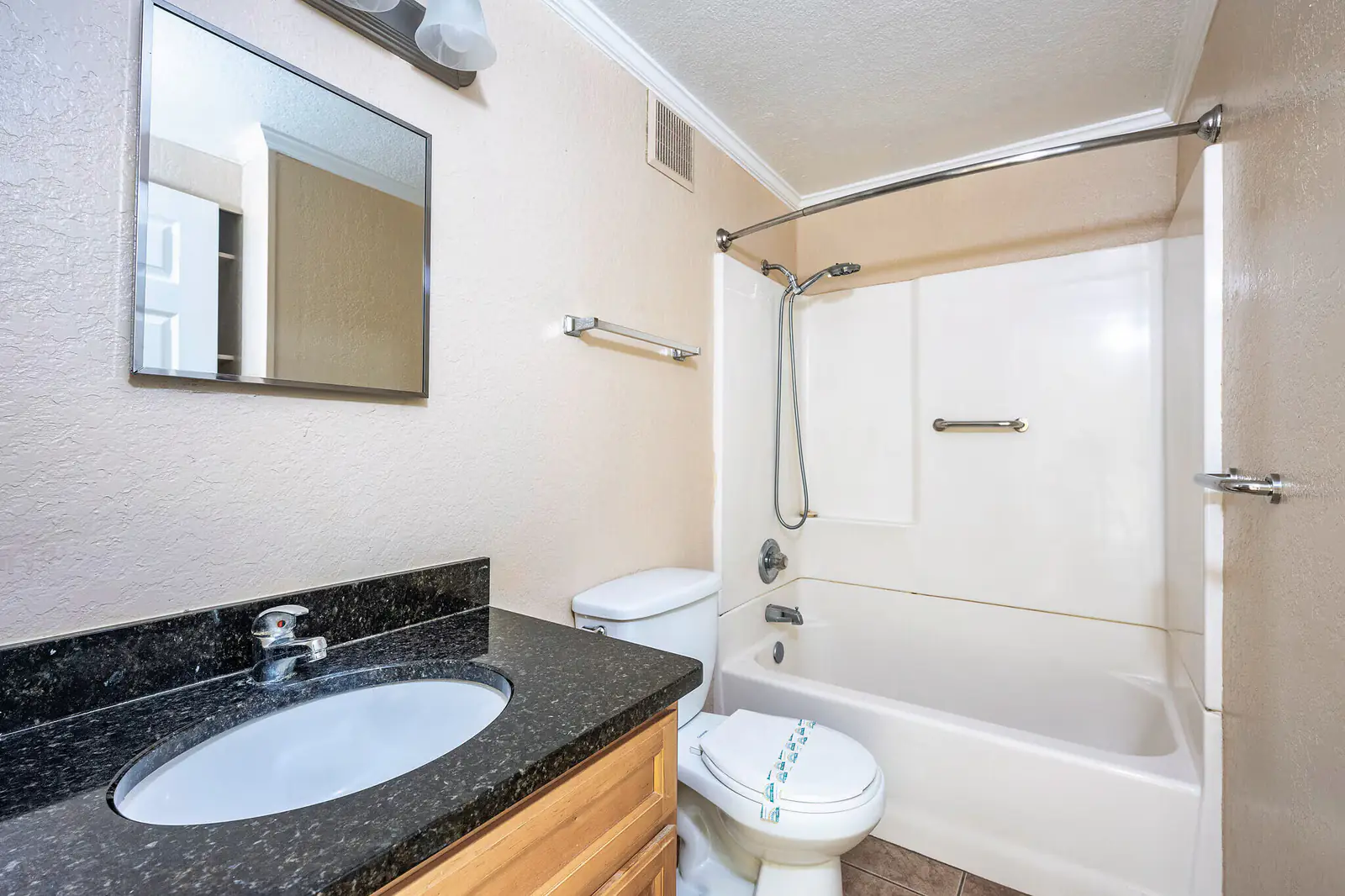
- Bold Statements: Some granites feature dramatic veining or speckles of contrasting colors, which can serve as a focal point in a kitchen or bathroom, adding a touch of drama and individuality. For instance, a dark granite with iridescent flecks can evoke a sophisticated, high-end feel, rather like stars in a night sky.
Finishes and Edge Profiles
Beyond color and pattern, the finish and edge profile of granite countertops further contribute to their aesthetic impact and tactile experience. These subtle details play a significant role in defining the overall style of the kitchen or bathroom.
- Polished Finish: The most common finish, polished granite, has a highly reflective, glossy surface that enhances the stone’s colors and patterns. This finish also contributes to its perceived luxury and is easy to clean.
- Honed Finish: A honed finish results in a matte or low-sheen surface, offering a more subdued and contemporary look. While it can be more susceptible to showing fingerprints or oil marks, it provides a softer tactile experience.
- Leathered Finish: A leathered finish has a textured, slightly uneven surface that is soft to the touch and hides imperfections well. This finish can give a kitchen a unique, rustic yet refined character.
- Edge Profiles: The way the edges of the granite slab are cut and shaped also influences the overall design. Options range from simple eased or bullnose edges for a classic look to more elaborate ogee or waterfall edges for a grander, more ornate statement. Each profile subtly shapes the visual flow of the countertop and its interaction with adjacent elements.
Environmental and Sourcing Considerations
The choice of granite as a building material involves a complex interplay of aesthetic preferences, practical benefits, and environmental considerations. Understanding its origins and the processes involved in its extraction and transportation is increasingly relevant in modern construction.
Quarrying and Global Supply Chains
Granite is a naturally occurring resource, extracted from quarries located across the globe. This results in extensive global supply chains that have both economic and environmental implications.
- Geographical Distribution: Major granite-producing countries include Brazil, India, China, Italy, and various African nations. The origin of the granite often influences its cost, availability, and specific characteristics. For instance, Brazilian granites are renowned for their vibrant colors and exotic patterns.
- Extraction Processes: Quarrying involves significant earth moving and energy consumption. While modern quarrying techniques aim for efficiency and environmental responsibility, the process inherently alters landscapes.
- Transportation Footprint: The journey from quarry to fabrication plant, and then to the construction site in Florida, often spans vast distances, primarily via ocean freight and trucking. This transportation contributes to the project’s carbon footprint, a factor increasingly considered in green building initiatives.
Sustainability and Material Longevity
While granite extraction has environmental impacts, its inherent durability and longevity contribute to its sustainability profile from a lifecycle perspective. Unlike engineered materials that may require more frequent replacement, granite has a protracted service life.
- Durability Reduces Waste: The long lifespan of granite countertops means fewer replacements, reducing demand for new materials and minimizing waste sent to landfills. This durability represents a significant environmental advantage over less robust alternatives.
- Recyclability Limitations: While granite itself is a natural stone, its form as a countertop with adhesives and sealing treatments makes direct recycling challenging. However, large unused slabs or remnants can sometimes be repurposed for smaller applications.
- Embodied Energy: The embodied energy of granite, which includes the energy consumed in its extraction, processing, and transportation, is a consideration. However, this is often weighed against its long-term performance and minimal post-installation maintenance requirements, especially when compared to materials with shorter lifespans that require more frequent resource expenditure for replacement. The “carbon debt” incurred at the outset is amortized over a longer period.
By presenting these facets, the narrative surrounding apartments with granite countertops in Florida moves beyond mere marketing hype to a more nuanced appreciation of their role in contemporary luxury living, encompassing practical considerations, economic implications, and environmental factors.
FAQs
What are the benefits of apartments with granite countertops in Florida?
Apartments with granite countertops in Florida offer durability, resistance to heat and scratches, and a stylish, high-end appearance. Granite is also easy to clean and maintain, making it a popular choice for kitchen surfaces.
Are granite countertops common in Florida apartments?
Yes, granite countertops are quite common in mid-range to luxury apartments in Florida. Many property developers and landlords include granite countertops as a desirable feature to attract tenants.
How do granite countertops affect apartment rental prices in Florida?
Apartments with granite countertops often command higher rental prices compared to those with laminate or other less expensive materials. The presence of granite countertops is seen as a premium feature that can increase the overall value of the apartment.
What maintenance is required for granite countertops in Florida apartments?
Granite countertops require regular cleaning with mild soap and water, and periodic sealing to maintain their resistance to stains and moisture. Tenants should avoid harsh chemicals and use cutting boards to prevent damage.
Can granite countertops in Florida apartments withstand the humid climate?
Yes, granite is a natural stone that is highly resistant to moisture and humidity, making it suitable for Florida’s humid climate. Proper sealing helps protect the countertops from potential water damage and staining.